Pillar Guide
What To Do When Your House Floods: The Complete Homeowner Guide
A calm, complete, step-by-step guide to what to do when your house floods — from the first 60 seconds through the first 48 hours, safety, cleanup, mold, and insurance. Synthesized from FEMA, CDC, EPA and IICRC guidance.
Reviewed against current FEMA, CDC, EPA and IICRC S500 guidance.
When your house floods, the situation feels chaotic — but the right response follows a clear, repeatable order: make people safe, stop the water, kill the power, document everything, then dry out fast. This guide walks through all of it, from the first 60 seconds to the insurance claim weeks later, synthesizing the official guidance from FEMA, the CDC, the EPA and the IICRC into plain steps you can actually act on.
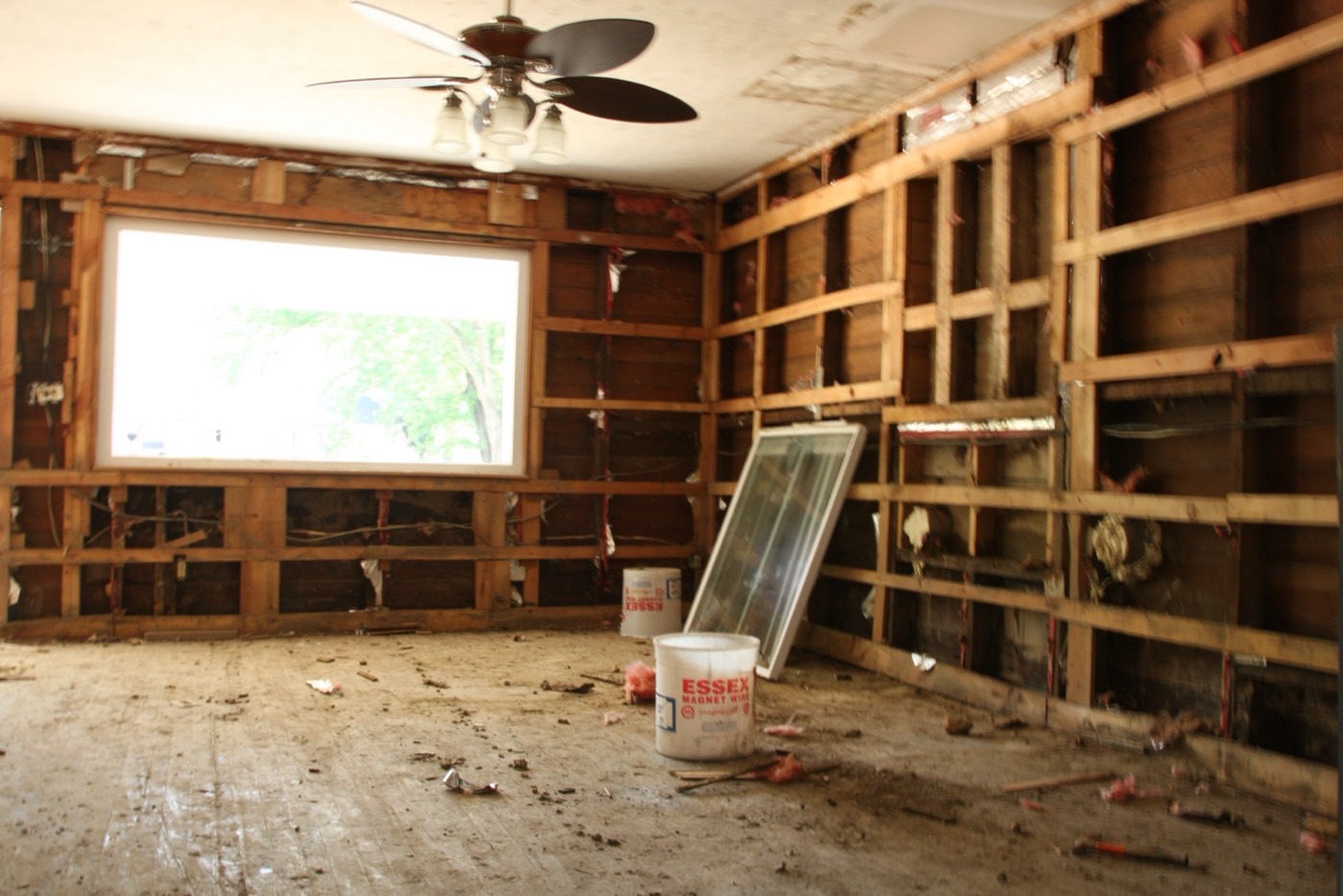
This is the master hub for the site. Each section links to a deeper, step-by-step guide. If you are mid-emergency right now, start with the first 24 hours after a flood and come back for the rest.
The first 60 seconds: stop, assess, act
Before you do anything else, take a breath and answer three questions:
- Is anyone in danger? Rising water, the risk of electrocution, or a structural collapse all mean you leave immediately and call 911. Property is replaceable; people are not.
- Where is the water coming from? A burst pipe, a failed appliance, a backed-up sewer line, and storm floodwater coming under the door are four very different problems with four different first moves.
- Can I stop it safely? If the source is a plumbing failure and the main shut-off is reachable, turning it off is the single most valuable thing you can do. If the source is outdoor flooding, you cannot stop it — your job becomes protecting people and moving to higher ground.
Shutting off water, gas and electricity
Knowing where your shut-offs are before an emergency saves precious minutes. The three you need to find today:
- Main water valve — usually where the water line enters the house: a basement, crawlspace, garage, or an outdoor box near the street. Turn it clockwise (righty-tighty) to close.
- Gas meter shut-off — a valve on the pipe at the meter. Only shut gas off if you smell it or suspect a leak; once off, leave it for the utility to restore.
- Electrical panel — the main breaker at the top of your breaker box. Flip it off only if you can reach it without standing in or touching water.
We cover the exact procedure, including how to find a hidden main valve, in the full guide on how to shut off water, gas and electricity in an emergency.
Source: Ready.gov — FloodsDocumenting the damage before you touch anything
The instinct to start mopping immediately is strong — but if there is any chance you’ll file a claim, photograph and video everything first. Insurers want to see the extent of the damage before mitigation begins.
- Take wide shots of each affected room, then close-ups of damaged items and any visible water line on the walls.
- Capture serial numbers and model plates on damaged appliances and electronics.
- Note the date and time, and keep receipts for anything you buy to stop further damage.
You are allowed — and expected — to take reasonable steps to prevent further damage (this is called your “duty to mitigate”). Drying out a wet room is mitigation; gutting it before the adjuster sees it is not. The full method is in how to document flood damage for insurance.
Removing the water and drying out — fast
Once the source is stopped and the scene is safe, the clock starts on mold. The goal is to get standing water out and the structure dry within 24–48 hours.
- Remove standing water with a pump or wet/dry vacuum. See how to remove standing water from your home.
- Pull out soaked, porous items — rugs, padding, cushions — to dry separately or discard.
- Move air aggressively with fans and open windows when the outside air is drier than inside.
- Run dehumidifiers to pull moisture out of the air and out of materials. Our complete drying playbook is how to dry out a flooded house.
The 24–48 hour mold window
This is the single fact that drives everything: mold can begin growing within 24 to 48 hours of materials getting wet. That is why “dry it out fast” is not advice you can put off until tomorrow.
The longer drywall, insulation, carpet padding, and framing stay damp, the more likely they cross from “can be dried and saved” to “must be removed.” If you do nothing else after stopping the water, get air moving and a dehumidifier running.
Source: EPA — MoldWe explain the timeline, the warning signs, and how to stop it in the mold after water damage hub and the detailed how long does it take mold to grow explainer.
Health and safety hazards to respect
A flooded home holds hazards that are not obvious:
- Electrical — submerged outlets, appliances and wiring stay dangerous even after the water recedes until inspected.
- Contamination — floodwater can carry sewage, chemicals, and bacteria. Treat any water that isn’t from a clean supply line as contaminated.
- Structural — saturated drywall, ceilings, and subfloors can fail. A bulging ceiling holding water overhead is an immediate hazard.
- Air quality — running a gasoline generator or pump indoors produces carbon monoxide, which kills silently. Generators always run outdoors, far from windows and doors.
The full safety picture, including when a home is unsafe to occupy, lives in the flood safety & health risks hub.
Salvage decisions: what to keep, what to toss
Some things can be cleaned and dried; others should go to protect your health.
- Usually salvageable: solid wood furniture, metal, glass, hard plastics, and most clothing (if washed promptly in hot water).
- Usually discard after contaminated flooding: mattresses, upholstered furniture, carpet padding, and any food or medicine that touched floodwater.
Photograph everything before you throw it out, for your claim. The detailed list is in what to salvage and what to throw away after a flood.
Understanding why your house flooded
Knowing the source of the water shapes nearly every decision that follows — the safety steps, the cleanup approach, and which insurance policy applies. Floods in homes come from a handful of recurring causes:
- Internal plumbing failures — a burst or frozen pipe, a failed supply line, a leaking water heater. These are sudden and usually covered by homeowners insurance. The first move is the main shut-off valve. See our scenario guides on burst pipes and a leaking or burst water heater.
- Appliance overflows — a washing machine, dishwasher, or toilet that overflows or whose hose lets go. Often clean or gray water; stop the supply at the fixture’s local shut-off.
- Roof and ceiling leaks — storm-driven rain finding a way in, sometimes pooling above a ceiling. See water leaking through the ceiling.
- Sewer and drain backups — contaminated “black water” that requires protective gear and usually professional cleanup.
- Rising surface floodwater — storms, flash floods, overflowing rivers. You can’t stop the source; this is the kind of flooding that homeowners insurance excludes and flood insurance covers.
Each of these has its own emergency procedure, but they all funnel into the same governing sequence: people, water source, power, documentation, drying.
What recovery looks like over the first weeks
The first 48 hours are about safety and stopping the damage from spreading. The weeks that follow settle into a rhythm:
- Days 1–2: Stop the water, ensure safety, document, remove standing water, and begin aggressive drying. The mold window is open.
- Days 3–7: Continue structural drying. Monitor with a moisture meter if you have one — materials are dry only when their moisture content matches unaffected areas, not just when they feel dry. Remove materials that can’t be dried in time.
- Week 2 onward: Clean and disinfect, address any mold that appeared, and begin repairs once everything reads truly dry. Rebuilding over materials that are still damp simply traps the problem inside the wall.
Patience in that last phase matters. The most common and costly mistake homeowners make is closing the walls back up before the structure is genuinely dry, which seals moisture in and breeds hidden mold.
Filing the insurance claim
Once people are safe and the home is drying, turn to the paperwork. The key thing to understand up front:
- Homeowners insurance generally covers sudden, accidental internal water damage — a pipe that bursts, an appliance hose that fails.
- Flood insurance (usually NFIP) covers rising surface water — storms, overflowing rivers, flash floods. A homeowners policy almost never does.
If you’re not sure which applies, start with does homeowners insurance cover water damage, then the step-by-step how to file a flood insurance claim. The full insurance hub is flood & water damage insurance.
The flood.repair guide library
This pillar links down to every detailed guide. Start wherever your situation is most urgent:
- Right now: The first 24 hours after a flood · Shut off water, gas & electricity
- Cleanup: Remove standing water · Dry out a flooded house · Water damage categories
- Mold: How long mold takes to grow · Mold after water damage hub
- Safety: Flood safety & health risks
- Insurance: Does homeowners insurance cover water damage · Insurance hub