Cleanup & Drying
What to Throw Away After a Flood (and What to Keep)
What to throw away after a flood: the keep-or-toss list for food, mattresses, carpet, drywall, electronics and documents, based on FEMA, EPA, CDC and Red Cross guidance.
Reviewed against current FEMA, EPA, CDC and American Red Cross guidance.
Deciding what to throw away after a flood is one of the hardest parts of cleanup — emotionally and practically. You’re standing in a wet house full of things you paid for and care about, and the honest truth is that a lot of it has to go. The rule that governs almost every decision is simple: porous materials that absorbed contaminated floodwater, and can’t be cleaned and dried within roughly 24 to 48 hours, should be discarded. This guide turns that rule into a concrete keep-or-toss list, room by room and item by item, drawn from FEMA, EPA, CDC and American Red Cross guidance. It’s a companion to our master guide on what to do when your house floods.
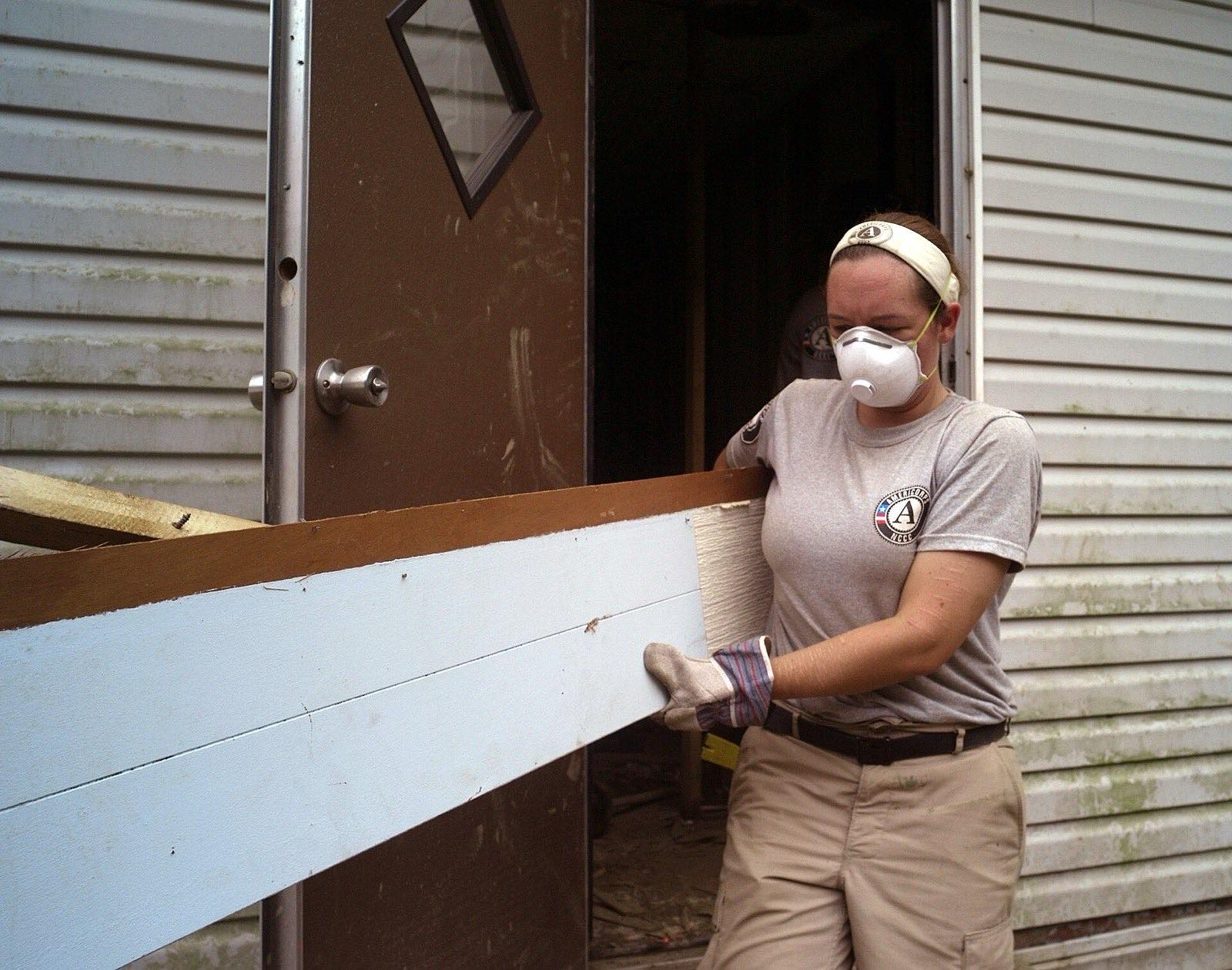
What to throw away after a flood: the master list
Before sorting anything, know what category of water you’re dealing with, because it changes the math entirely. Clean Category 1 water gives you a fighting chance to save things; gray and black water push almost every porous item toward the trash. The full breakdown is in the categories of water damage. Here’s the consolidated list of what generally has to go after contaminated or standing floodwater:
- Mattresses, box springs, and pillows — too thick and porous to disinfect.
- Upholstered furniture, cushions, and stuffed toys — padding holds contamination.
- Carpet padding (almost always) and often the carpet itself.
- Particleboard and pressed-wood furniture — it swells, crumbles, and won’t dry.
- Soaked drywall, insulation, and paneling — removed above the water line.
- Most food and drinking water the floodwater touched (details below).
- Cosmetics, medicines, and baby bottles or nipples — can’t be reliably sanitized.
- Wet paper, books, and cardboard that aren’t worth professional restoration.
Everything below explains the why behind these calls and, just as important, what you can actually keep.
Source: Ready.gov — FloodsWhy porous materials usually can’t be saved
The dividing line between keep and toss is almost always porosity — how much a material soaks up and holds water. Floodwater, especially gray or black water, carries bacteria, sewage, chemicals, and debris. When that water saturates a porous material, the contamination penetrates all the way through, into spaces you can’t reach to scrub or disinfect.
That’s the first problem. The second is mold. The EPA and FEMA both note that mold can begin growing on wet materials within 24 to 48 hours, and porous items that stay damp become a reservoir for it. The science of that timeline is in how long it takes mold to grow after water damage. A foam cushion or mattress can’t be dried fast enough or cleaned deeply enough to beat that clock — so it goes.
Non-porous materials are the opposite. Glass, metal, glazed ceramic, sealed concrete, and hard plastics don’t absorb water. Contamination sits on the surface where you can wash it off and disinfect it. That single difference — surface versus saturated — is the logic behind nearly every recommendation that follows.
What food do you throw away after a flood?
Food is where people make the most dangerous mistakes, because contaminated food can look completely normal. The FDA and CDC are blunt about it: discard any food that came into contact with floodwater, with very few exceptions.
Throw away:
- Fresh produce, meat, poultry, fish, and eggs the water touched.
- Anything in cardboard, paper, foil, or cellophane — these wrappers aren’t watertight.
- Containers with screw caps, snap lids, crimped caps, twist tops, or flip tops — they can’t be reliably disinfected.
- Home-canned food — there’s no safe way to sanitize the seal.
- Spices, seasonings, and opened packages that got wet.
You may be able to save undamaged, commercially sealed cans and retort pouches. The procedure: remove the paper labels (they harbor bacteria), wash the cans in detergent and water, then sanitize them in a bleach solution, and re-label with a marker. Discard any can that’s dented, swollen, leaking, or rusted.
Separately, after a power outage, throw out any perishable food (meat, dairy, leftovers) that was above 40°F for more than two hours, even if the floodwater never reached it.
Source: CDC — Keep Food Safe After an EmergencyFurniture and bedding: what to keep and what to toss
Furniture decisions come down to that porous-versus-solid divide.
Throw away:
- Mattresses and box springs — the CDC and Red Cross both say discard them. They’re too thick to dry or disinfect.
- Upholstered furniture soaked by gray or black water — the padding inside holds contamination.
- Particleboard, MDF, and pressed-wood furniture — it absorbs water, swells, and falls apart.
- Stuffed animals and fabric toys a child puts near their mouth.
Often salvageable:
- Solid-wood furniture with a sealed finish — clean, disinfect, and dry it slowly to prevent warping and cracking. It may need refinishing.
- Metal, glass, and hard-plastic furniture — wash and disinfect the surfaces.
- Upholstered pieces hit only by clean Category 1 water, if you act fast — but even then, professional cleaning is often needed and the result isn’t guaranteed.
Before you haul anything to the curb, photograph it and note its value. Your insurance claim depends on that evidence — the method is in how to document flood damage for insurance, and the coverage questions are covered in does homeowners insurance cover water damage.
Building materials: drywall, insulation, flooring
Wet building materials are usually removed, not dried, after a flood — and how high you cut depends on the water line.
| Material | Verdict | Why |
|---|---|---|
| Drywall / wallboard | Remove (cut above the water line) | Wicks water upward, holds moisture, grows mold inside the cavity |
| Insulation (fiberglass, cellulose) | Remove | Soaks up and traps water; can’t be dried in place |
| Carpet padding | Remove | Acts like a sponge; almost never salvageable |
| Carpet | Maybe (clean water, fast) | Salvageable only if Category 1 and dried quickly |
| Solid hardwood | Sometimes | Can warp and cup; slow careful drying may save it |
| Laminate flooring | Usually remove | Swells and delaminates when wet |
| Tile on concrete | Often keep | Non-porous; clean, disinfect, and dry the slab |
FEMA and the EPA recommend removing drywall, paneling, and insulation that floodwater soaked, typically cutting drywall a foot or two above the visible high-water mark to reach hidden moisture. Removing these materials also opens the wall cavity so the structure can dry, which is the core of how to dry out a flooded house.
Source: EPA — Flood Cleanup and Indoor Air QualityElectronics and appliances: handle with care
Electronics are a special case. The danger is twofold: electric shock and permanent damage from powering on a wet device.
Never plug in or turn on anything that got wet until it’s been inspected and dried. Switching on a wet appliance can destroy it and shock you. The electrical-safety steps are in electrical safety after a flood.
- Discard any electronics submerged in contaminated water that can’t be professionally cleaned — and any appliance whose insulation got wet (it can’t be safely dried).
- Possibly salvage electronics exposed only to clean water if a qualified technician inspects, cleans, and dries them before they’re powered on. Many phones, computers, and TVs can be saved this way.
- Have an electrician or technician evaluate the furnace, water heater, HVAC, and electrical panel before reuse. Gas appliance valves and electrical controls that were submerged are typically replaced.
Don’t gamble here. The cost of replacing a device is almost always less than the cost of a fire or a shock.
Clothing, fabrics, and what you actually can keep
There’s good news amid the loss: a lot of washable fabric can be saved.
Often salvageable with proper laundering:
- Clothing, towels, and bed linens — wash in the hottest water the fabric allows, with detergent, and add a disinfectant. You may need several cycles.
- Curtains and washable fabric items — same approach.
- Dishes, glassware, flatware, and pots — wash, then sanitize in a bleach solution or by boiling.
- Jewelry, metal, and glass objects — clean and disinfect the surfaces.
- Solid wood and plastic children’s toys — wash and disinfect; discard porous or stuffed ones.
Toss:
- Leather and suede heavily soaked by contaminated water (hard to disinfect).
- Anything you can’t get fully clean and dry within the mold window.
Documents, photos, and irreplaceable items
Some things can’t be replaced at any price — passports, deeds, photographs, family records. For these, the goal isn’t immediate cleaning; it’s buying time.
The Red Cross and conservation specialists recommend a counterintuitive trick: if you can’t clean wet documents and photos right away, freeze them. Place them in plastic bags or wax paper and put them in a freezer. Freezing halts mold growth and deterioration, so you can thaw and clean items in small batches later instead of losing everything at once.
- Air-dry documents flat if you have the time and space; don’t stack wet pages.
- Don’t try to separate stuck-together photos while wet — you’ll tear them. Freeze first.
- For valuable or vital records, a professional document-restoration service can do far more than home methods.
Even with the best effort, accept that some paper items will be lost. Prioritize the truly irreplaceable, and replace the rest — birth certificates, titles, and insurance papers can all be reissued.
Source: American Red Cross — Flood Safety & RecoveryA room-by-room salvage checklist
When the whole house is affected, work room by room so nothing gets missed and the decisions stay consistent.
- Kitchen — Discard exposed food and questionable cans; save and sanitize dishes, metal, and glass; have wet appliances evaluated before reuse.
- Bedrooms — Toss soaked mattresses, box springs, and pillows; launder clothing and linens in hot water with disinfectant; save sealed-wood furniture.
- Living areas — Discard padded furniture and carpet padding hit by contaminated water; clean hard-surface furniture and electronics (after drying).
- Bathrooms — Discard cosmetics, medicines, and porous items; clean and disinfect tile, fixtures, and non-porous surfaces.
- Basement — Remove wet drywall, insulation, and flooring; this is where standing water lingers and the category degrades fastest. See how to remove standing water.
Photograph everything before it leaves the house, and keep a running inventory with rough values. That record is what turns a pile of ruined belongings into a documented insurance claim.
When to call in professionals
You can handle a lot of the keep-or-toss sorting yourself, but bring in help when:
- The flooding involved sewage or storm floodwater (Category 3 black water).
- Large areas or multiple rooms are affected.
- You have irreplaceable documents, art, or photos worth professional restoration.
- Electronics or appliances need expert drying before reuse.
- Water reached inside walls and floors where you can’t dry or assess it.
The line between a sensible do-it-yourself job and one that needs a pro is drawn in DIY vs. professional water cleanup. For health-hazard water, that line comes early.