Pillar Guide
Mold After Water Damage: Prevention, Detection & Removal
Everything homeowners need to know about mold after water damage: the 24–48 hour growth window, how to prevent it, how to spot it, when to test, and whether insurance covers it. Synthesized from EPA and FEMA guidance.
Reviewed against current EPA and FEMA mold guidance.
Mold is the most common and most preventable consequence of water damage. The whole story comes down to one window of time: mold can begin growing within 24 to 48 hours. Win that window by drying out fast, and you usually avoid mold entirely. This hub covers prevention, detection, testing, and coverage. It pairs with our cleanup guide, water damage cleanup & drying.
How fast mold grows
Mold spores are everywhere, harmless until they get wet. Once a porous, organic material — drywall, carpet padding, wood, insulation — stays damp, growth can begin within a day or two and become visible within a couple of weeks. The full timeline and the factors that speed it up are in our detailed explainer, how long does it take mold to grow after water damage.
Source: EPA — Mold Cleanup Source: EPA — Mold, Moisture & Your HomeHow to prevent it
Prevention is almost entirely about moisture control:
- Stop the water source.
- Remove standing water fast — how to remove standing water.
- Dry the structure with fans and dehumidifiers — how to dry out a flooded house.
- Remove soaked porous materials that can’t be dried in time.
- Keep indoor humidity below about 50%.
The complete method is in how to prevent mold after water damage.
How to detect it
Mold often hides before it shows. Watch — and smell — for:
- A persistent musty, earthy odor.
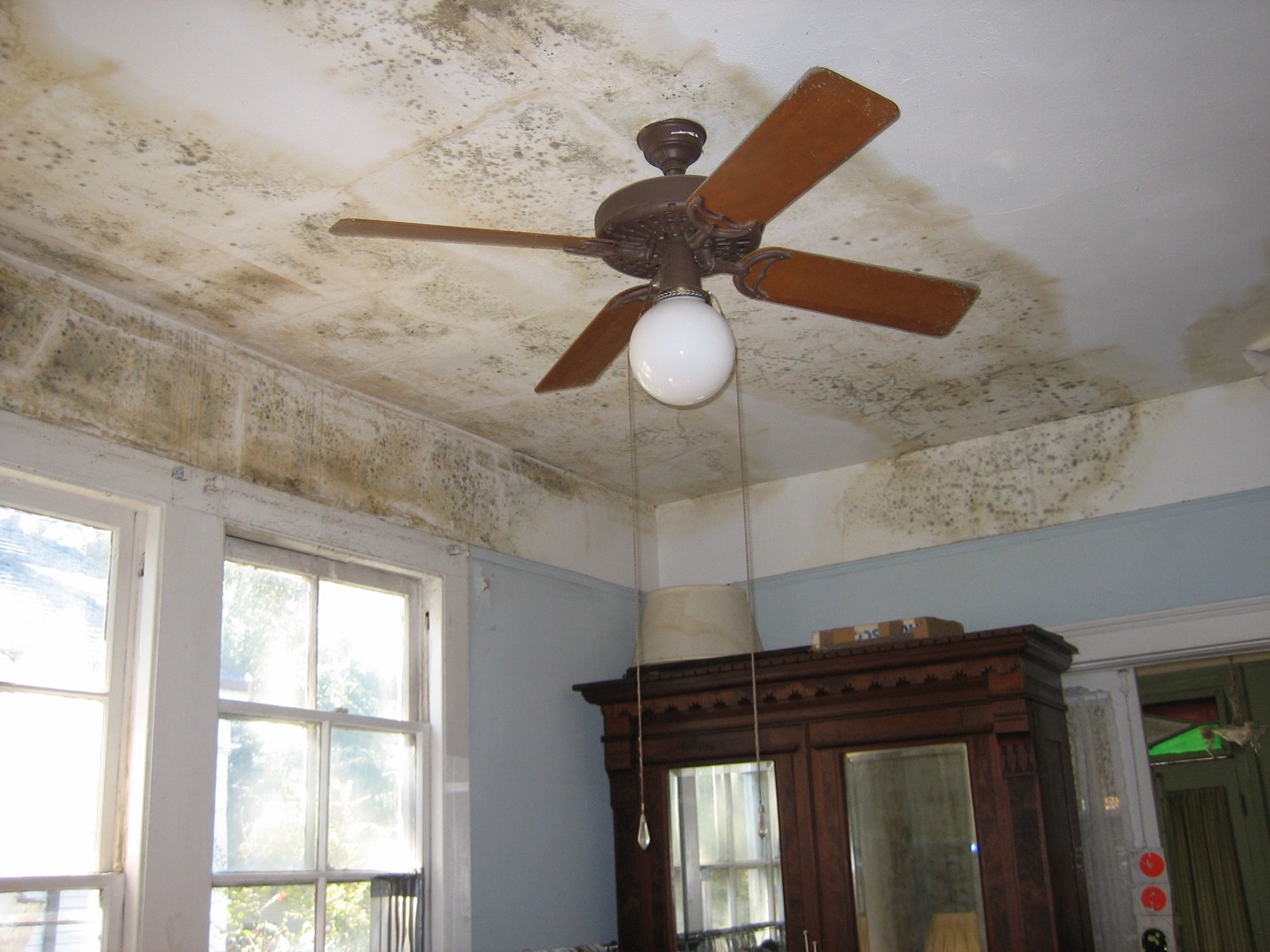
- Discoloration on walls, ceilings, and along baseboards.
- Warping or staining that appears after water damage.
Detailed cues, including hidden mold behind walls, are in how to tell if you have mold after a flood.
When to test
For small, visible mold from a known water event, testing usually isn’t necessary — the EPA notes that if you can see or smell mold, you should clean it up and fix the moisture regardless of type. Testing makes more sense for large areas, hidden growth, health concerns, or disputes. See when to test for mold.
Does insurance cover it?
Coverage is narrow and conditional. Mold stemming from a sudden covered event may be covered, often with limits; mold from neglected maintenance or from excluded flooding usually isn’t. Details in is mold covered by homeowners insurance and the broader insurance hub.
Guides in this hub
- How long does it take mold to grow after water damage?
- How to prevent mold after water damage
- How to tell if you have mold after a flood
- When to test for mold
- Is mold covered by homeowners insurance?