Pillar Guide
Flood & Water Damage Insurance: What's Covered and How to File
Clear answers on water damage and flood insurance: what homeowners insurance covers, how flood insurance (NFIP) differs, how to file a claim, why claims get denied, and how to check your flood zone. Synthesized from FEMA, NFIP and FloodSmart guidance.
Reviewed against current FEMA, NFIP and FloodSmart guidance.
Insurance is where flood recovery often gets confusing — and expensive. The crucial thing to understand is that two different policies cover two different kinds of water, and the gap between them catches many homeowners off guard. This hub explains what’s covered, how to file, and how to avoid a denial. It’s the final stop after the master flood guide.
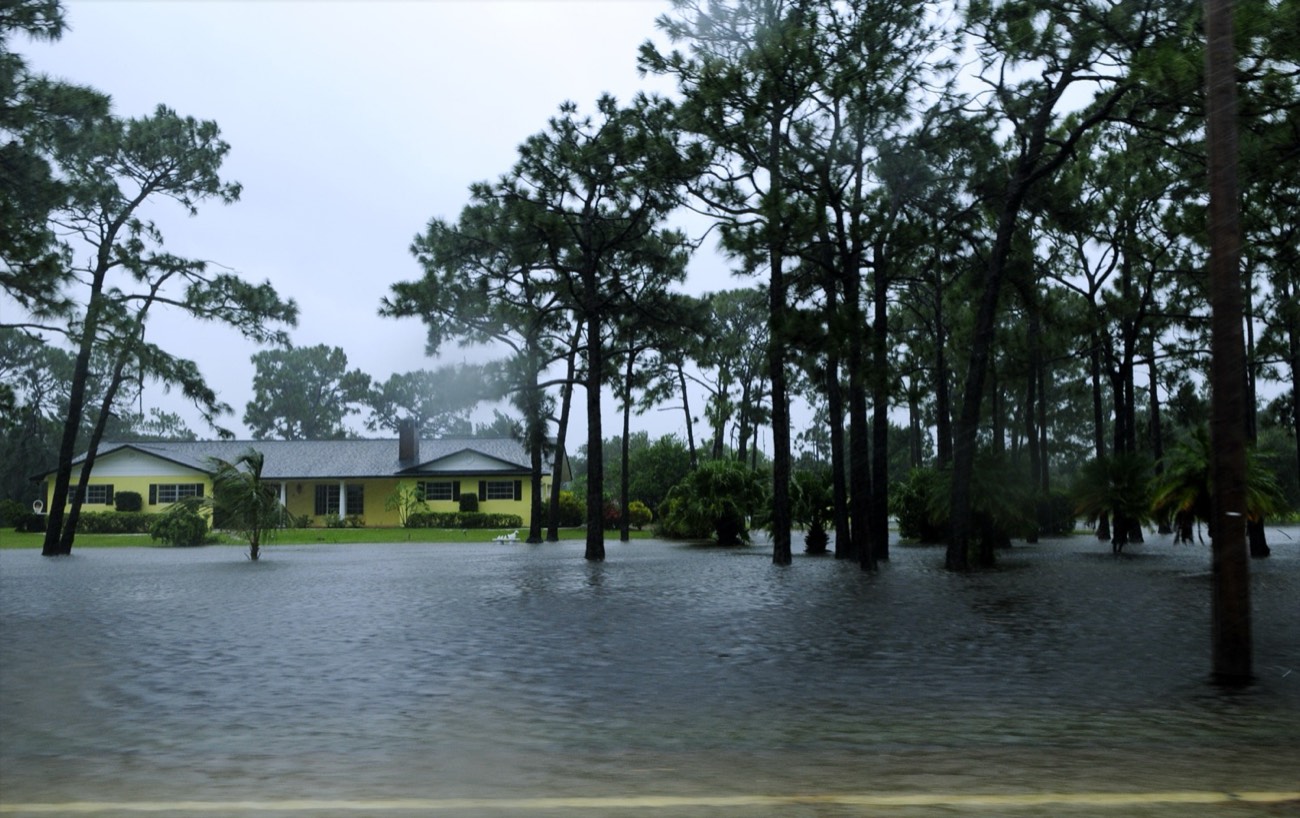
What homeowners insurance covers
A typical homeowners policy responds to water damage that is sudden and accidental — a pipe that bursts, a water heater that fails, an appliance line that lets go. What it generally excludes:
- Rising surface floodwater (storms, overflowing bodies of water).
- Gradual leaks and seepage treated as a maintenance failure.
- Sewer or drain backups, unless you’ve added a specific endorsement.
The full breakdown — including the all-important “sudden vs. gradual” distinction that decides many claims — is in does homeowners insurance cover water damage.
Source: FloodSmart (NFIP)How flood insurance is different
Because homeowners policies exclude flooding, the federal National Flood Insurance Program (NFIP) exists to fill that gap (private flood policies also exist). Flood insurance covers damage from rising external water. Understand what it does and doesn’t cover in flood insurance vs. homeowners insurance and what is the National Flood Insurance Program (NFIP).
How to file a claim
Filing well is mostly about documentation and timing:
- Document everything before you clean up — see how to document flood damage for insurance.
- Notify your insurer promptly to open the claim.
- Take reasonable steps to prevent further damage (and keep the receipts).
- Meet the adjuster prepared, with your inventory and photos.
The step-by-step flood-claim process is in how to file a flood insurance claim.
Why claims get denied — and how to avoid it
Denials usually trace to an excluded peril, a “gradual damage” finding, late reporting, or thin documentation. Knowing the common pitfalls ahead of time is the best defense. See why water damage claims get denied.
Check your flood risk before anything happens
You can look up your property’s flood risk on FEMA’s flood maps — useful for deciding whether you need flood insurance even if you’re not federally required to carry it. See how are flood zones determined (and how to check yours).
Source: FEMA — Flood MapsGuides in this hub
- Does homeowners insurance cover water damage?
- Flood insurance vs. homeowners insurance
- How to file a flood insurance claim
- Why water damage claims get denied
- What is the National Flood Insurance Program (NFIP)?
- How are flood zones determined?