Insurance
What Is the NFIP? National Flood Insurance Program Explained
What is the NFIP? A plain-English guide to the National Flood Insurance Program: what it covers, coverage limits, cost, the 30-day wait, and how to buy.
Reviewed against current FEMA, NFIP and FloodSmart guidance.
What is the NFIP? The National Flood Insurance Program is the reason most American homeowners can buy flood insurance at all — yet most people only learn how it works after a flood, when it’s too late to help. This guide explains what the NFIP is, what it covers, its coverage limits and cost, the all-important 30-day waiting period, and exactly how to buy a policy. It’s part of our flood and water damage insurance hub.
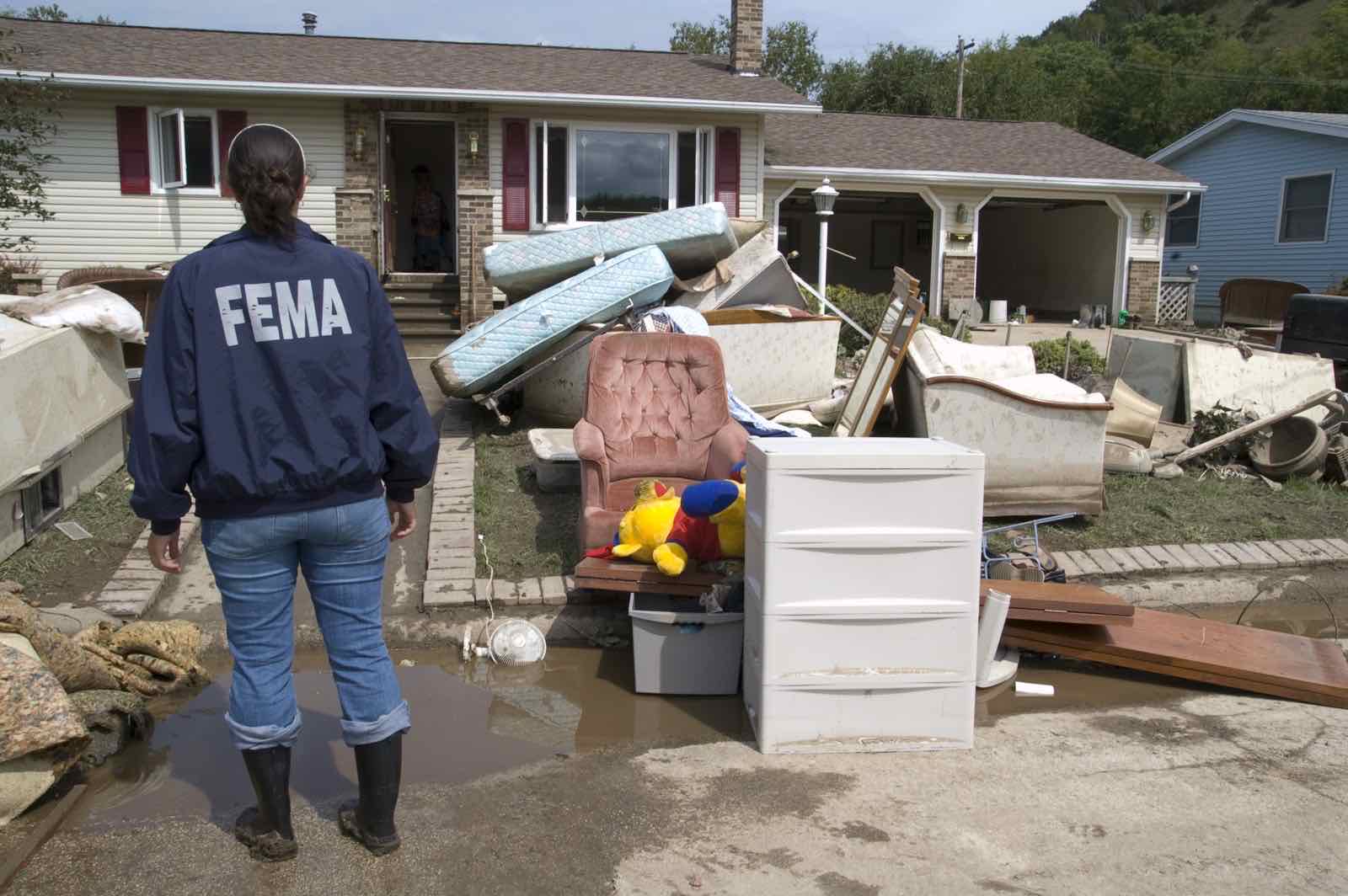
What is the NFIP?
The National Flood Insurance Program (NFIP) is a federal program, administered by the Federal Emergency Management Agency (FEMA), that provides flood insurance to property owners, renters, and businesses in communities that agree to adopt and enforce floodplain management rules. Congress created it in 1968 through the National Flood Insurance Act.
The reason it exists is simple: private insurers historically treated flood risk as nearly uninsurable. Floods are geographically concentrated and can cause enormous, correlated losses all at once, which made companies reluctant to offer affordable flood coverage. The NFIP stepped into that gap and remains the backbone of the U.S. flood insurance market today, with a growing private flood insurance market alongside it.
Three practical facts define how the program works:
- You buy it through a licensed insurance agent, often the same agent who writes your homeowners policy — not directly from FEMA.
- Your community must participate in the NFIP for you to buy a policy there. The large majority of U.S. communities do participate.
- The program sets the standard terms — coverage limits, the waiting period, and policy language — that most flood policies follow.
What does NFIP flood insurance cover?
An NFIP policy covers direct physical damage caused by flooding. FEMA defines a flood as water that rises and affects the ground or two or more properties (or one property plus a nearby area) — as opposed to water that enters from a single source inside your home. In practice that means:
- Storm surge and coastal flooding.
- Overflowing rivers, streams, and lakes.
- Heavy rainfall that pools on the ground faster than it can drain.
- Flash flooding and mudflow from rapid, heavy rain.
Coverage splits into two separate pieces, and you generally need to buy both:
- Building coverage — the structure itself: foundation, electrical and plumbing systems, HVAC equipment, water heaters, and permanently installed fixtures like built-in cabinets.
- Contents coverage — your belongings: furniture, electronics, clothing, and other personal property.
NFIP coverage limits
The standard NFIP residential policy caps each part of coverage separately:
| Coverage type | What it protects | NFIP limit (single-family home) |
|---|---|---|
| Building | The structure and built-in systems | $250,000 |
| Contents | Your personal belongings | $100,000 |
If your home’s rebuild cost or the value of your belongings exceeds these limits, a private flood insurance policy may be worth considering, either as a replacement or as excess coverage on top of an NFIP policy — some private insurers offer higher limits.
Source: FloodSmart — What's Covered by Flood InsuranceWhat the NFIP does not cover
Just as important as what’s covered is what isn’t. An NFIP policy generally excludes:
- Damage from moisture, mold, or mildew that the property owner could have avoided.
- Currency, precious metals, and valuable papers like stock certificates.
- Property outside the building, such as decks, patios, fences, landscaping, and septic systems.
- Cars and most self-propelled vehicles.
- Financial losses from business interruption or the cost of temporary housing while your home is repaired (unlike some homeowners policies).
And critically, the NFIP does not cover the kind of water damage homeowners insurance is built for — a burst pipe, a ruptured water heater, or an overflowing appliance inside the home. Those are sudden internal failures, not flooding. Understanding which policy handles which loss is the whole point of our flood insurance vs. homeowners insurance comparison.
How much does NFIP flood insurance cost?
There is no honest single average to quote, because premiums depend heavily on your flood zone, elevation, the age and construction of your home, and its foundation type. Two homes a few blocks apart can pay very different premiums if one sits lower or closer to a floodplain.
Since 2021, FEMA has priced NFIP policies under a methodology called Risk Rating 2.0, which rates each property on its own specific flood risk — factors like distance to water, flood frequency, and the cost to rebuild — rather than relying mainly on broad flood-zone maps. The goal is premiums that more accurately reflect each individual home’s real risk.
What’s fair to say in general:
- Homes outside high-risk zones often pay a premium that’s modest relative to what a flood loss would actually cost to repair.
- Homes inside mapped high-risk zones, especially older or lower-elevation structures, typically pay more.
- The only way to get a real number is to request a quote for your specific address through a licensed agent.
The 30-day waiting period — the most important rule
Here is the single fact that catches the most people off guard: standard NFIP policies generally have a 30-day waiting period before coverage takes effect. There are a few narrow exceptions — for example, flood insurance purchased in connection with certain mortgage loan closings — but you should never assume an exception applies to you.
The practical consequence is blunt: you cannot buy flood insurance as a storm approaches and expect it to cover that storm. By the time a hurricane or a major rain event is in the forecast, the window to add coverage for it has already closed.
Source: Ready.gov — FloodsDo I need to be in a flood zone to buy NFIP insurance?
No. NFIP flood insurance is available to almost anyone in a participating community, not just people mapped into high-risk flood zones. Lenders only require flood insurance for homes inside a FEMA-mapped high-risk area — a Special Flood Hazard Area — but availability is far broader than the requirement.
This matters because flood risk isn’t confined to mapped high-risk zones. A meaningful share of NFIP flood claims come from properties outside those zones, since heavy rain, poor drainage, and overwhelmed storm systems don’t respect map boundaries. Even a “low-risk” address can flood, and coverage there is often cheaper — a combination that makes at least getting a quote a sensible step rather than an overcautious one.
Source: FEMA — Flood MapsHow to buy an NFIP flood insurance policy
Buying flood insurance through the NFIP is a short process, but the order matters given the waiting period:
- Confirm your community participates in the NFIP (the vast majority do). Your agent can verify this in seconds.
- Contact a licensed insurance agent — often the same one who handles your homeowners policy. You cannot buy directly from FEMA.
- Request quotes for both building and contents coverage. Decide whether you need both (most homeowners do).
- Compare a private flood insurance quote too, especially if your home’s value exceeds the $250,000 building limit.
- Buy well ahead of any threat, because of the 30-day waiting period.
If a flood ever does strike after your coverage is active, the claim runs on its own track with its own deadlines — including a signed Proof of Loss requirement. The full walkthrough is in how to file a flood insurance claim, and documenting the damage carefully from the start makes the whole process far smoother — see how to document flood damage for insurance.
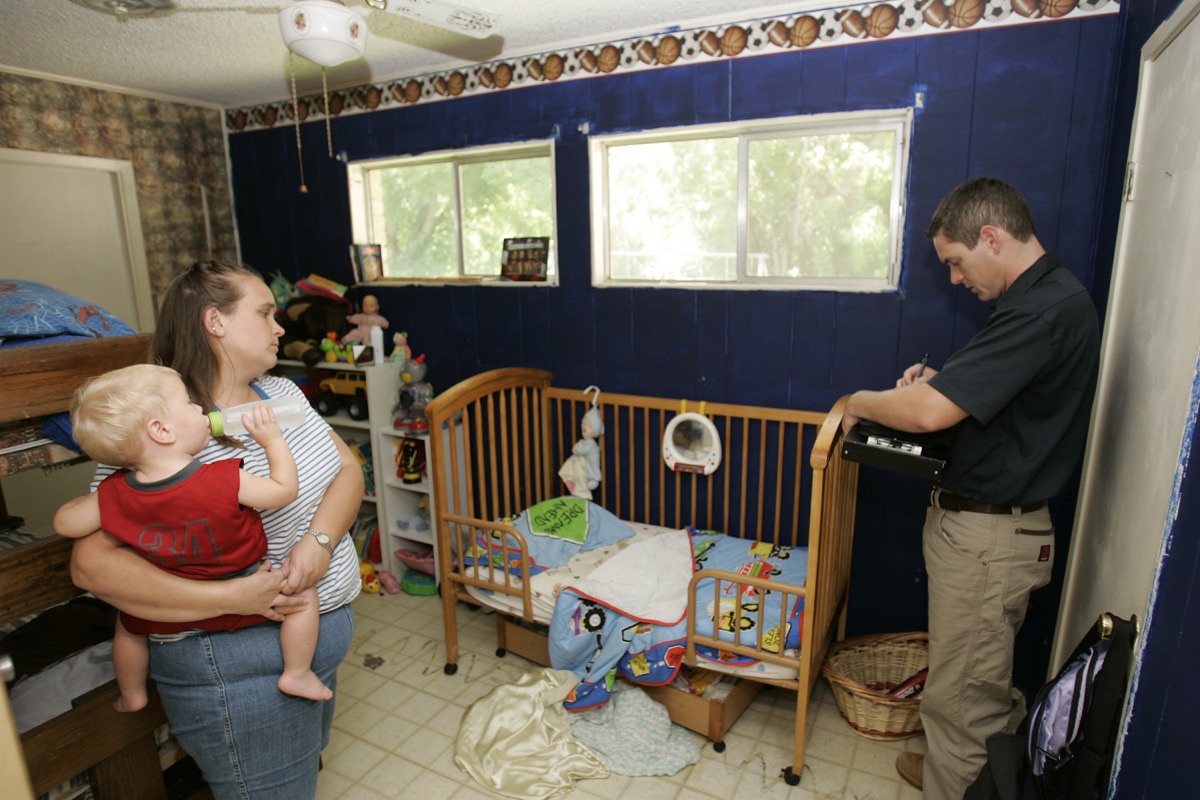
The bottom line
The NFIP is the federal program that makes flood insurance possible for most American homeowners — covering the rising, outside-in flooding that homeowners insurance excludes without exception. It’s sold through licensed agents, caps standard residential coverage at $250,000 for the building and $100,000 for contents, prices each home on its own risk under Risk Rating 2.0, and — most importantly — takes 30 days to kick in.
That last point is the one to act on. If you’re weighing flood insurance, don’t wait for a storm to force the decision. Check your flood risk, get a quote even if you’re outside a mapped high-risk zone, and read your homeowners policy’s exclusions so you know exactly where the gap sits. If flooding ever does happen, act fast in the first 24 hours and document everything. For the full picture on coverage and claims, start at our insurance hub.