Insurance
Why Water Damage Claims Get Denied (and How to Avoid It)
Water damage claim denied? The common reasons insurers won't pay — flood exclusions, gradual leaks, lack of maintenance — and how to prevent and appeal a denial.
Reviewed against current FEMA NFIP, FloodSmart, and III insurance guidance.
Having a water damage claim denied is one of the most frustrating things a homeowner can face — you have real damage, you pay for insurance, and the answer is still no. The good news is that most denials come down to a short list of predictable reasons, and many of them are avoidable. This guide explains why insurers deny water damage claims, how to keep your claim on the covered side of the line, and exactly what to do if you’ve already been denied. It pairs with our guide on whether homeowners insurance covers water damage.
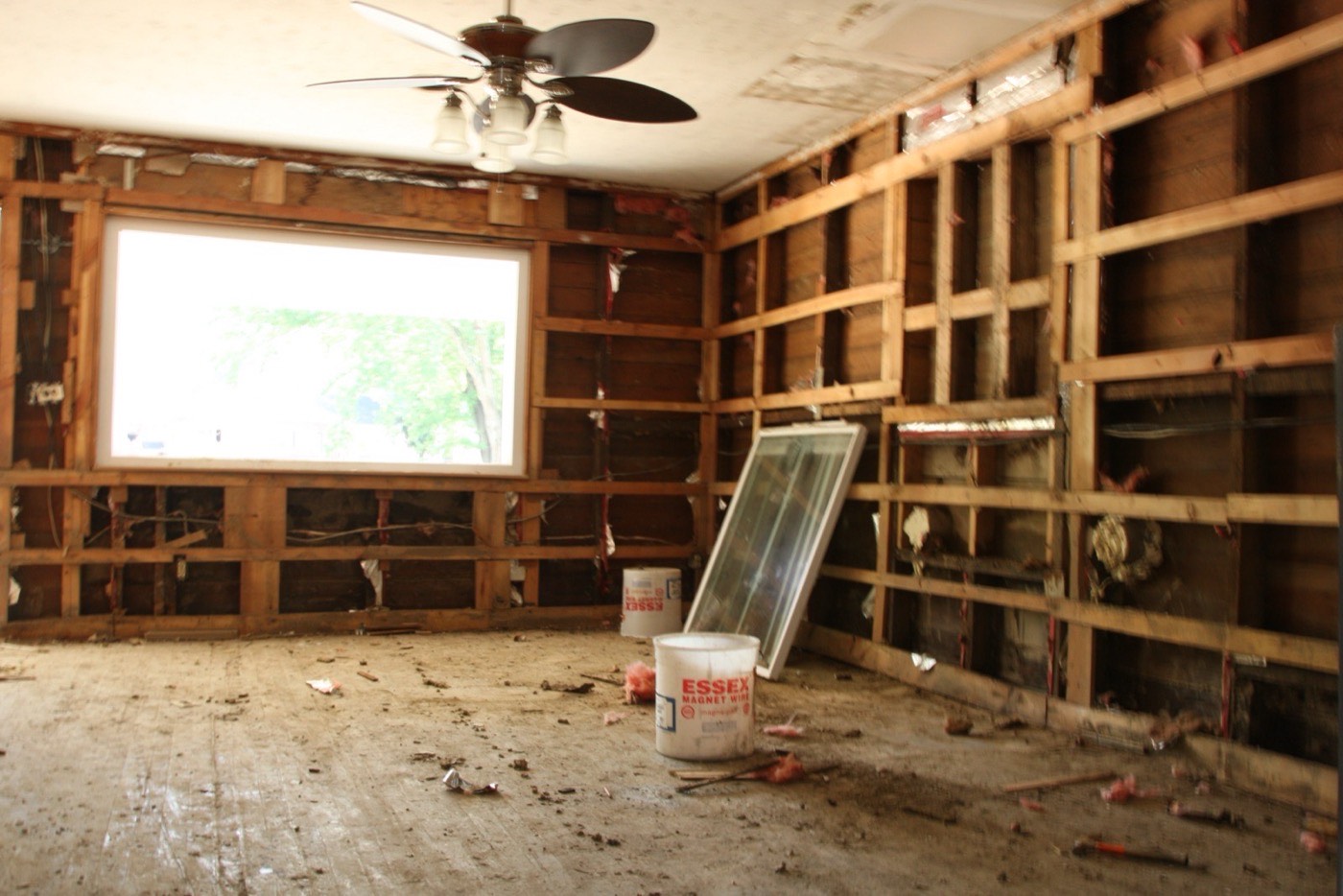
The single biggest reason: flood damage isn’t covered by homeowners insurance
Before anything else, understand the distinction that causes more denials than any other: standard homeowners insurance does not cover flooding. Flooding — rising surface water from storms, overflowing rivers, flash floods, or storm surge — is specifically excluded from homeowners policies. That coverage comes from a separate flood insurance policy, most often through the National Flood Insurance Program (NFIP).
So if your basement filled because a river crested or a storm pushed water in from outside, and you only carry homeowners insurance, that claim will be denied — not because the insurer is unfair, but because flood is a named exclusion. This is exactly why the difference between flood insurance and homeowners insurance matters so much, and why so many people are caught out after a storm.
Source: III — Understanding Your Insurance PolicyThe flip side is important too: homeowners insurance does typically cover water damage that starts inside the home and is sudden — a pipe that bursts, a water heater that fails, an appliance line that lets go. The source of the water usually decides which policy applies and whether you’re covered at all.
Sudden and accidental vs. gradual: the line that decides most claims
Even when the water came from inside the home, there’s a second test that trips up homeowners: coverage generally applies to damage that is “sudden and accidental,” not damage that developed slowly over time.
- Typically covered: a pipe that suddenly bursts, a supply line that fails without warning, an overflow you couldn’t have foreseen.
- Typically denied: a pipe that has been slowly dripping for months, a shower pan that leaked gradually, a roof that let water in over several seasons because it wasn’t maintained.
Insurers classify slow, ongoing leaks as maintenance issues — problems a reasonable homeowner should have caught and fixed. When damage from that kind of leak is discovered late, the claim is often denied on the grounds that it was gradual and preventable.
The most common reasons water damage claims are denied
Beyond the flood exclusion and the sudden-vs-gradual test, denials cluster around a handful of specific issues. Knowing them helps you avoid each one.
| Reason for denial | What it means | How to avoid it |
|---|---|---|
| Flood exclusion | Water came from outside; homeowners policy excludes it | Carry a separate flood policy if you’re at any risk |
| Gradual damage | A slow, long-running leak, not a sudden event | Fix leaks fast; document that damage was sudden |
| Lack of maintenance | Neglected roof, pipes, or upkeep caused the loss | Maintain the home; keep repair records |
| Late reporting | You waited too long to notify the insurer | Report as soon as it’s safe |
| Failure to mitigate | You didn’t stop further damage after the loss | Make emergency repairs; keep receipts |
| Poor documentation | Not enough proof of the cause or the loss | Photograph and inventory everything first |
| Policy limits or deductible | Loss is below the deductible or above a sub-limit | Know your limits before you file |
| Mold exclusion | Mold damage limited or excluded by policy | Dry fast; understand your mold coverage |
Two of these deserve extra attention because homeowners control them directly.
Late reporting and failure to mitigate
Insurance policies require you to report a loss promptly and to take reasonable steps to prevent further damage — that’s called your duty to mitigate. If you wait weeks to report, or you leave standing water sitting while mold spreads, the insurer can argue that some or all of the damage is your responsibility, not theirs.
So the moment it’s safe: report the loss, and start mitigating. Remove standing water, dry the structure, and cover any openings. Keep every receipt — mitigation costs are usually claimable, and they prove you acted in good faith. Our guide on how to dry out a flooded house covers the drying steps that also protect your claim.
Source: Ready.gov — FloodsWeak documentation
You can have a perfectly valid claim and still lose it if you can’t prove the cause and the extent of the loss. Document everything before you clean up or throw anything away — wide and close-up photos, video, the high-water line, and an itemized inventory of damaged belongings. The full method is in how to document flood damage for insurance, and it’s the single biggest factor you control.
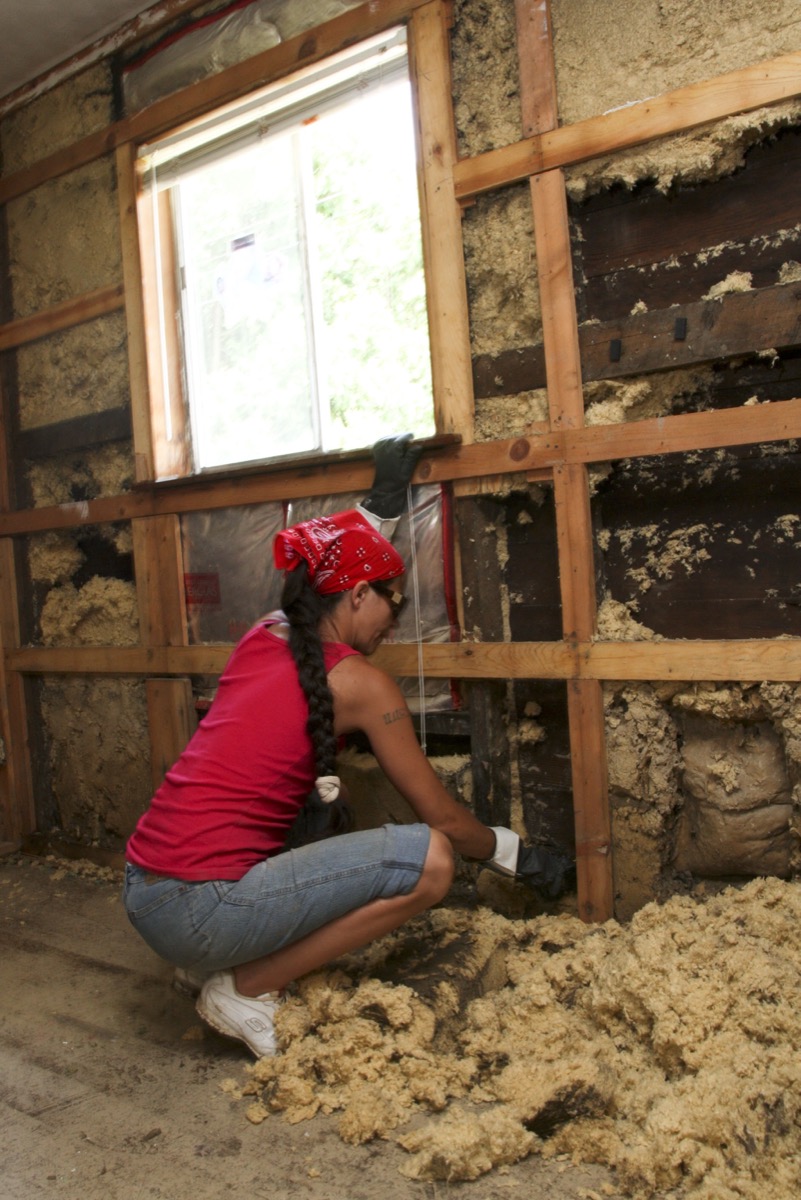
How to avoid a denial before you ever file
Most denials are set in motion long before the claim — by a coverage gap, a deferred repair, or a slow response. A short prevention checklist:
- Know what your policy actually covers. Read it, and ask your agent whether you need separate flood coverage. If you’re in or near a flood-prone area, you almost certainly do — see how to check your flood zone.
- Maintain the home. Service the roof, water heater, and plumbing. Fix small leaks immediately and keep the receipts as proof of upkeep.
- Report fast. Notify your insurer as soon as it’s safe — the same day if possible.
- Mitigate immediately. Stop the water, dry the structure, cover openings. Keep every receipt.
- Document before you clean. Photograph and inventory all damage before removing or discarding anything.
- Keep records organized. Policy number, dates, names of everyone you spoke with, and copies of everything you submit.
Do these six things and you eliminate the majority of avoidable denials. For the full claim walkthrough, see how to file a flood insurance claim step by step.
What to do if your water damage claim is already denied
A denial is not always the final word. Insurers make mistakes, misread policy language, and sometimes deny claims that should be paid. If you believe your denial is wrong, work through it methodically.
Step 1: Read the denial letter carefully
The insurer must tell you why the claim was denied and cite the specific policy language. Find that reason and that language. A denial for “flood exclusion” on damage that actually came from a burst pipe, for example, is a factual error you can challenge.
Step 2: Compare the denial against your documentation
Pull your photos, inventory, receipts, and any repair or plumber’s reports. Does your evidence contradict the stated reason? If the insurer called it gradual damage but you have proof the pipe burst suddenly, you have grounds to appeal.
Step 3: Appeal in writing with new evidence
Submit a written appeal that directly addresses the denial reason and includes supporting evidence — additional photos, a professional assessment, itemized repair estimates. For NFIP flood claims, FEMA has a formal appeal process with its own deadlines; follow it precisely.
Source: FloodSmart (NFIP) — File Your Flood Insurance ClaimStep 4: Escalate if needed
If the appeal fails and you still believe you’re owed, you have further options:
- File a complaint with your state’s department of insurance, which regulates insurers and reviews disputes.
- Hire a licensed public adjuster, who works for you (not the insurer) to re-estimate and negotiate the claim, usually for a percentage of the recovery.
- Consult an attorney for large or complex denials, especially if you suspect bad-faith handling.
The bottom line
Water damage claims get denied for a small, predictable set of reasons: the cause is excluded (flooding needs its own policy), the damage was gradual instead of sudden, poor maintenance caused it, or the claim was reported late or thinly documented. You can prevent most of these by carrying the right coverage, maintaining your home, reporting fast, mitigating immediately, and documenting everything before you clean up. And if you’re denied anyway, a denial can be wrong — read the letter, match it against your evidence, and appeal. Careful records and prompt action are what carry a water damage claim from denied to paid.