Safety & Health
Returning Home Safely After a Flood Evacuation
When is it safe to return home after a flood evacuation? A step-by-step checklist for outside checks, utilities and hazards, from FEMA and CDC guidance.
Reviewed against current FEMA, CDC and American Red Cross guidance.
Returning home after a flood evacuation is safe once officials lift the evacuation order, floodwaters recede from your route and property, and an outside check shows no downed power lines, gas smell, or visible structural damage. Treat the first walkthrough as an inspection, not a homecoming, and be ready to turn back if anything looks or smells wrong.
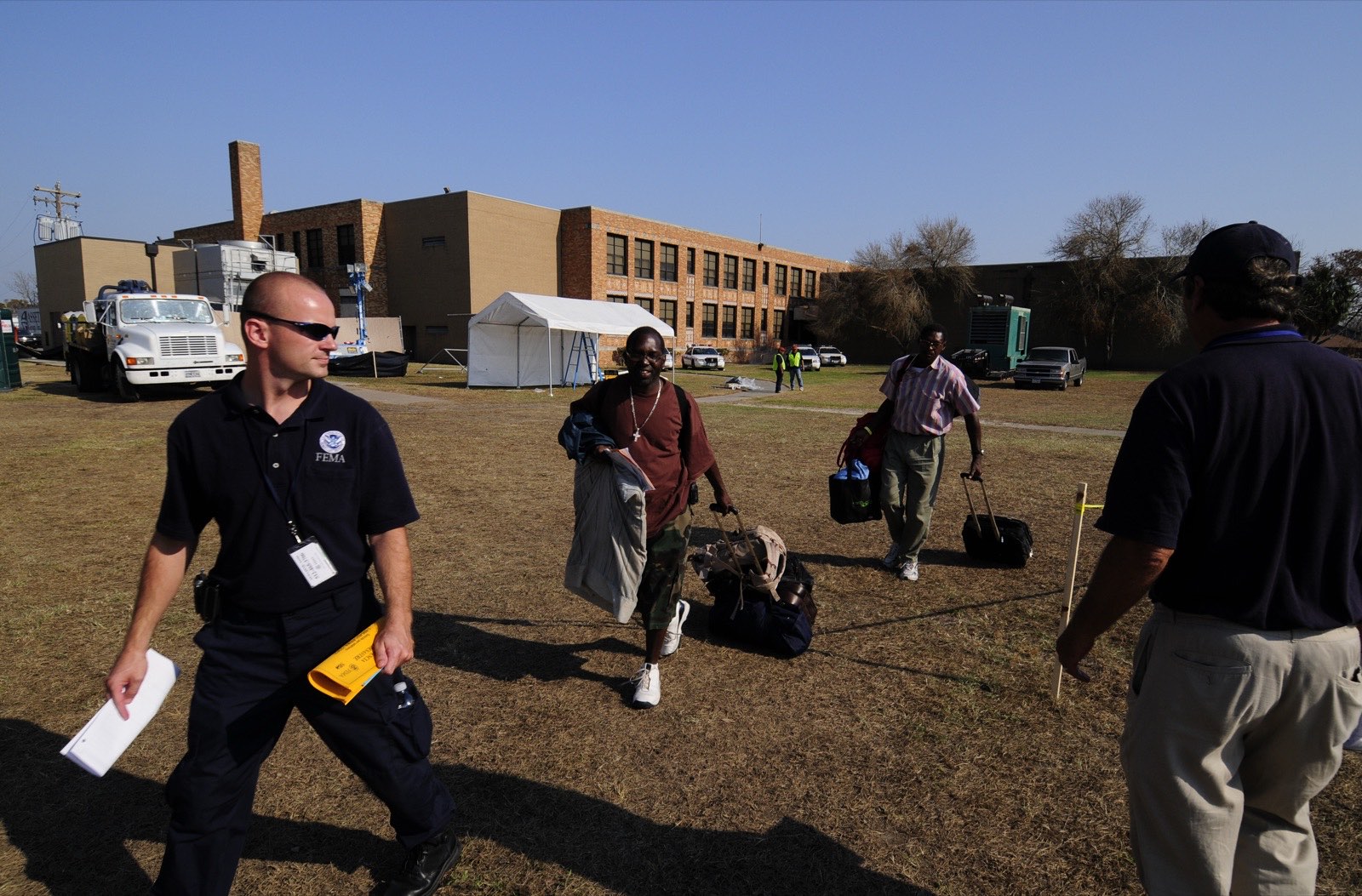
How do you know when it’s safe to go back?
Wait for an official all-clear from your county or city emergency management office, not a neighbor’s guess or a rumor on social media. Local officials track receding water levels, road conditions, and utility status street by street, and they’ll lift evacuation orders in stages — your specific block may still be closed even after a nearby area reopens.
Check your local emergency management website or hotline, local news, and NOAA Weather Radio for the official word before you drive back. If bridges or roads on your route are still flooded or washed out, wait — moving water only six inches deep can sweep a car off the road.
Evacuation orders are often lifted in phases, starting with areas that flooded least. A “re-entry” or “look and leave” period — where residents can check on property but not yet stay overnight — sometimes comes before full reoccupancy is approved, so listen for which stage applies to you specifically. If your water comes from a private well, also ask whether a boil-water advisory is in effect before you plan to drink from the tap once you’re back.
Source: Ready.gov — FloodsWhat to bring when you return
Pack the car before you leave so you’re not caught without basics once you arrive:
- Flashlight and extra batteries — power may be out and interiors dark even in daytime.
- Charged phone and a power bank — cell towers can be overloaded and outlets dead.
- Rubber boots, work gloves, and an N95 respirator for wading through mud or musty air.
- Copies of ID and insurance documents in case an official or adjuster needs them on site.
- Battery-powered radio, cash, hand sanitizer, and a basic first-aid kit.
If you evacuated with young children, elderly family members, or anyone dependent on powered medical equipment, consider doing the first walkthrough without them. Confirm the home is safe and utilities are working before bringing back anyone who can’t easily leave again quickly if a hazard turns up.
Check the outside of the house before you go in
Walk the full perimeter before touching a door or window. Look up for downed or sagging power lines touching the house, a fence, or standing water — stay well clear and call the utility if you see one. Check the gas meter area for a hissing sound or rotten-egg smell; if you smell gas, leave the property immediately and call the gas company or 911 from a safe distance.
Look at the foundation for new cracks or shifting, and scan the roofline and any visible ceilings through windows for sagging or bulging — a sign water is still pooling above. Standing water in the yard or street can hide downed wires, open utility covers, and debris, so don’t wade through it to get a closer look.
Structural red flags — don’t enter if you see these
Any one of the following means the home needs a professional assessment before anyone goes inside:
- The foundation shows new cracks, or the house appears to have shifted on it.
- Floors feel spongy or the ceiling sags, bulges, or has visible water pooling above it.
- The garage door, exterior walls, or porch look separated from the main structure.
- Floodwater reached window height or higher on the exterior walls.
- You can see the house has been undermined — soil washed out from under a foundation edge or slab.
If any of these apply, treat entry as unsafe until a structural engineer or your local building department has cleared the home. Our guide to flood structural damage covers what an inspector actually looks for.
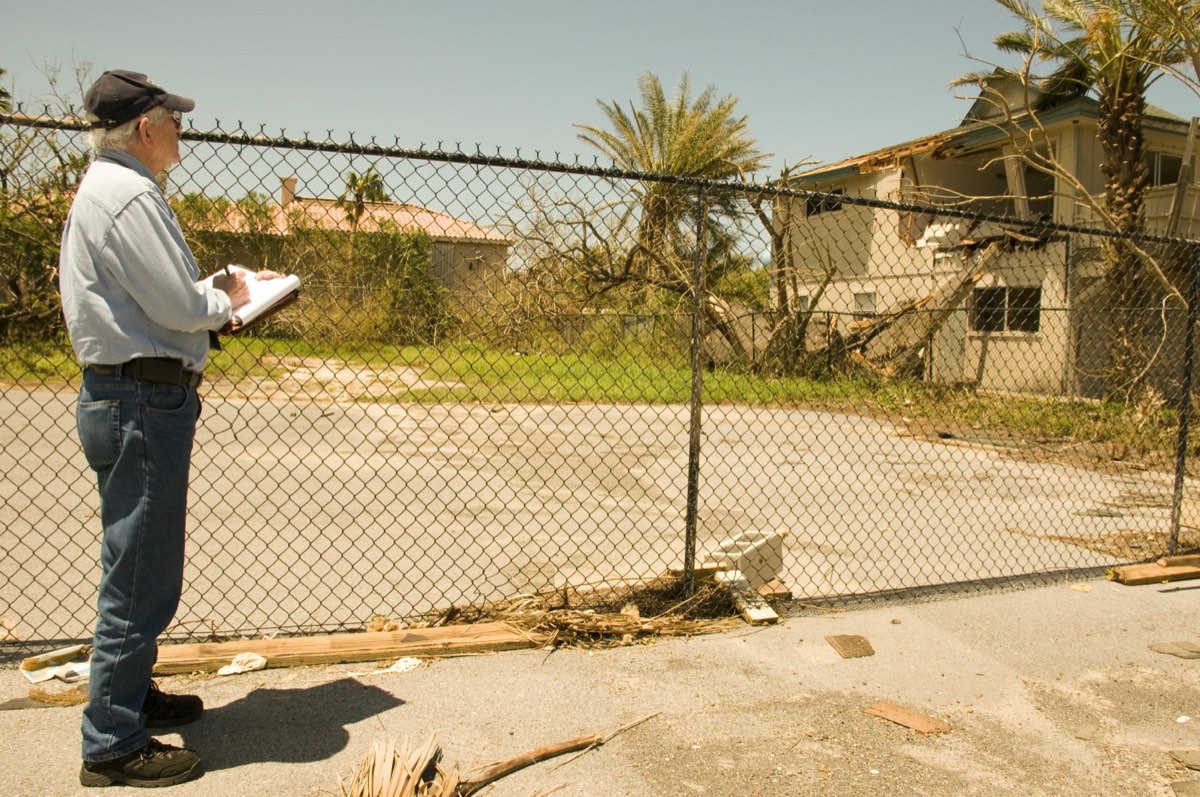
Checking gas, electricity and water before you go inside
Three systems decide whether it’s safe to be inside at all, and none of them should be assumed safe just because the water is gone.
| System | Safe sign | Stop and call a professional if |
|---|---|---|
| Gas | No odor, no hissing near meter or lines | You smell gas, hear hissing, or the meter was submerged |
| Electrical | Panel and wiring never touched water, fully dry | Panel, outlets, or wiring were submerged or are still wet |
| Water/plumbing | Main shut-off known, no visible pipe damage | Burst or disconnected pipes, or contaminated backflow |
If the electrical panel was underwater, don’t flip the main breaker back on — a licensed electrician needs to inspect it first. The same caution applies to a water heater or furnace that sat in floodwater. Our guide to electrical safety after a flood walks through the inspection an electrician performs.
Source: CDC — FloodsGoing room by room once you’re inside
Once the outside checks are clear, open windows and doors first to ventilate before you do anything else — stale, damp air can carry mold spores and off-gassing from wet materials. Move slowly, room by room, testing floors for a spongy feel before putting your full weight down.
Note any musty smell, visible mold, or water stains creeping up walls — these tell you how far moisture traveled, even in rooms that look dry. Don’t plug in or run any appliance, HVAC system, or electronics that were submerged until they’ve been checked; energized wet motors can start a fire.
Anything that touched floodwater — food, medicine, cosmetics, and heavily soaked porous items like mattresses or carpet padding — should be treated as contaminated. The full keep-or-toss breakdown is in what to salvage after a flood.
Pay particular attention to the water heater, furnace, and any HVAC equipment in a basement or crawlspace — if any of it sat in floodwater, don’t fire it up until a technician has checked it, since submerged burners, controls, and insulation can fail or ignite unpredictably. If the crawlspace itself flooded, expect standing moisture and possible sewage contamination underneath the home even when the living space looks dry.
Turning utilities back on safely
Restore power only after confirming the panel and circuits are dry, and do it one breaker at a time, watching and listening for sparking, burning smells, or an immediate trip — any of those means stop and call an electrician. Relight gas appliances only after the gas company or a technician has cleared the lines following a suspected leak or submersion.
Never run a generator or gas-powered pump indoors, in a garage, or near an open window — carbon monoxide from generators has killed people in flood recoveries who thought they were being careful. See generator safety after a flood for safe placement and ventilation distances.
When to turn around and call for help instead
Sometimes the right call, even after driving all the way back, is to leave again and wait. Turn around if:
- The electrical system was submerged and hasn’t been cleared by an electrician.
- You smell gas or the meter was underwater.
- Floodwater was contaminated — sewage or storm surge — and covered a large area of the home.
- Ceilings sag, floors feel spongy, or the foundation shows new damage.
- The scope of standing water or debris is beyond what you can safely clear yourself.
There’s no advantage to pushing through a hazardous home alone. Our guide on DIY vs. professional water cleanup helps you judge that line, and is it safe to stay in your house after a flood covers the deeper occupancy question once you’re inside.
Source: American Red Cross — Flood SafetyReturning-home checklist at a glance
- Confirm the evacuation order is lifted for your specific address.
- Check road and bridge conditions before you drive back.
- Walk the exterior first — power lines, gas odor, foundation, roofline.
- Don’t enter if you see any structural red flag; call a professional instead.
- Leave gas and electrical systems off until inspected if they were submerged or you smell gas.
- Ventilate the home before doing anything else once inside.
- Move room by room, testing floors and watching for mold or water stains.
- Restore power one breaker at a time, watching for sparks or trips.
- Treat tap water as unsafe until officials lift any boil-water advisory.
- Document damage with photos before you clean up or discard anything.
Go back with a plan, not just relief that the water is gone. The homes that recover fastest are the ones where someone checked before they touched — the ten minutes an outside walkthrough takes can be the difference between a straightforward cleanup and a much bigger problem.