Insurance
Is Mold Covered by Insurance? What Homeowners Need to Know
Is mold covered by insurance? Standard homeowners policies cover mold only when it stems from a sudden covered peril. Learn what's excluded, what to document, and what to say to your adjuster.
Reviewed against current FEMA, CDC, EPA and IICRC S500 guidance.
Whether mold is covered by insurance is one of the most misunderstood questions in home claims — and the answer depends almost entirely on what caused the water that fed it. This guide cuts through the policy language to explain exactly when a mold insurance claim succeeds, when it gets denied, what mold remediation actually costs, and what to say to your adjuster. It’s part of our water damage insurance hub.
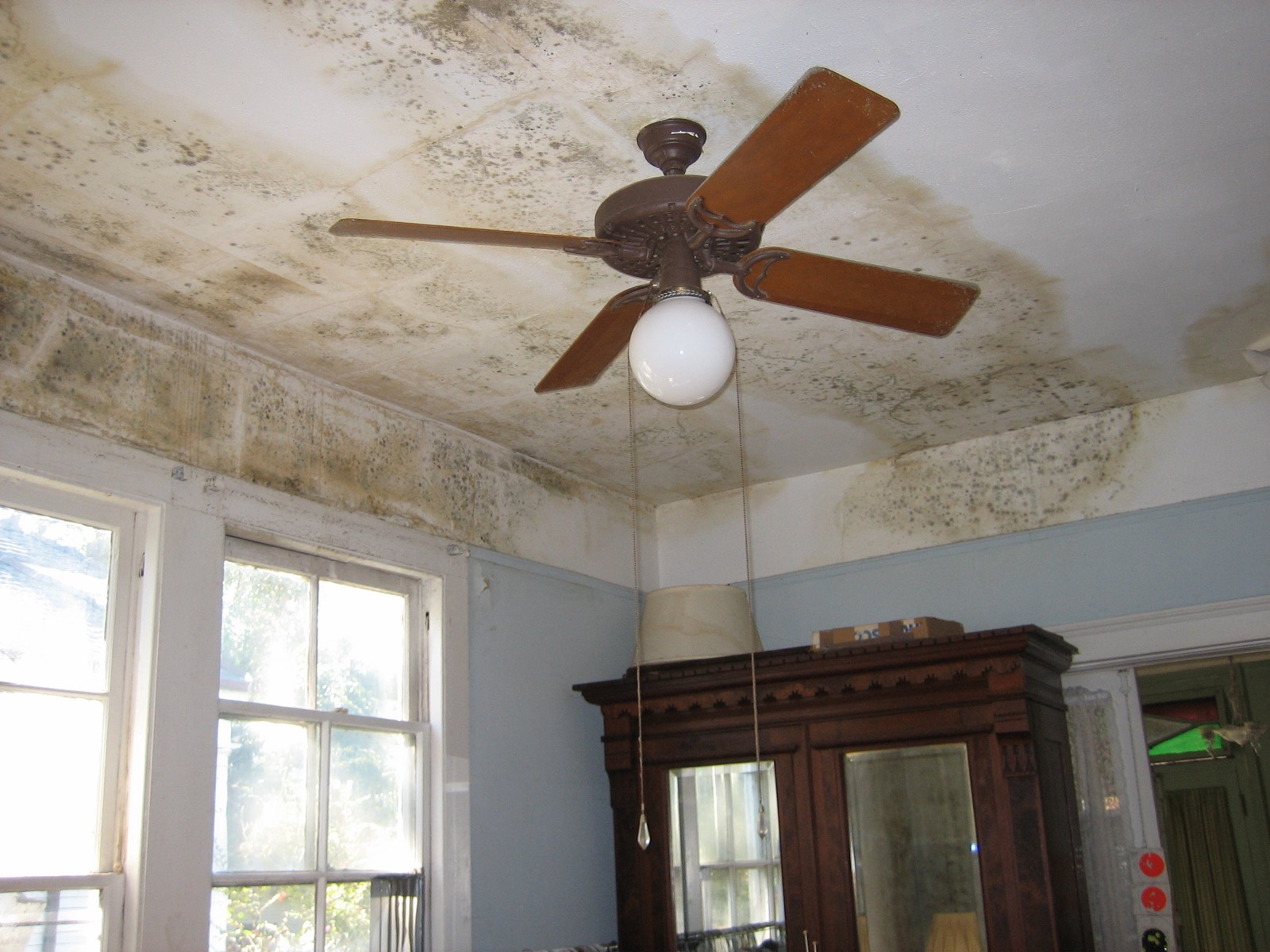
Does Homeowners Insurance Cover Mold?
The short answer is: sometimes, and the determining factor is the water event that caused it — not the mold itself. Insurers don’t think of mold as a standalone peril. They look at the underlying cause of the moisture. If that cause is a covered loss, the mold remediation typically follows. If it isn’t covered, neither is the mold.
Standard homeowners policies (HO-3 and HO-5) cover mold when:
- A pipe burst suddenly and unexpectedly, and mold developed before the area could be fully dried
- A washing machine hose failed and caused an appliance overflow that sat long enough to grow mold
- An ice dam damaged your roof and water intrusion during a winter storm led to mold
- A water heater ruptured and saturated a wall cavity, and mold followed before remediation could begin
In all of these cases, the water event itself is a covered sudden and accidental peril. The mold is secondary damage tied directly to that event, and most policies treat it as part of the covered loss.
Standard policies exclude mold when:
- The moisture source was flooding — water that rose in from outside the home
- A slow drip or seepage went unaddressed for weeks or months (“gradual damage”)
- Deferred maintenance allowed moisture to accumulate in a crawl space or basement
- Sewer backup caused the moisture, and the homeowner didn’t have a backup endorsement
- The mold predates the loss and was already present before the water event
What Mold Damage Is Excluded — and Why
The exclusions section of a homeowners policy does most of the work in mold denials. Several specific carve-outs apply:
Flooding. This is the largest source of denied mold claims. Floodwater — water that enters from outside the home because of storm surge, an overflowing river, or heavy rain pooling on the ground — is not a covered peril under any standard homeowners policy. Mold from flood damage is equally excluded. You need a separate flood insurance policy, most commonly through the National Flood Insurance Program (NFIP).
Gradual leaks and seepage. A slow drip behind a vanity, a pinhole in a copper line, moisture wicking through a foundation wall over months — these are classified as maintenance issues, not sudden losses. The premise is that attentive upkeep would have caught the problem before mold developed. Insurers can and do request plumber reports and photos to establish whether a leak was gradual.
Neglect. If the insurer can show that visible mold or moisture existed before the claim event, or that a reasonable homeowner would have noticed and addressed the issue, coverage can be denied entirely.
Sewer backup. Raw sewage backup — a Category 3 water event — is typically excluded from standard policies unless you purchased a sewer backup or service line endorsement. Mold that follows a sewage backup without that endorsement is not covered.
Covered vs. Not Covered: A Quick Reference
| Water Source | Typically Covered? | Notes |
|---|---|---|
| Burst pipe (sudden, accidental) | Yes | Mold remediation included if damage is prompt |
| Appliance overflow (washing machine, dishwasher) | Yes | Must be accidental, not ongoing |
| Roof leak from storm / covered peril | Yes | Varies by policy; confirm with agent |
| Ice dam water intrusion | Often yes | Some policies exclude ice dams — check yours |
| Flooding (external water) | No | Requires NFIP or private flood policy |
| Gradual / slow leak | No | Treated as maintenance, not sudden loss |
| Sewer backup | No (without endorsement) | Sewer backup rider adds coverage |
| Seepage through foundation | No | Groundwater seepage is a standard exclusion |
| Pre-existing mold | No | Mold present before the loss event is excluded |
How Fast Mold Grows — Why Timing Is Critical for Your Claim
The EPA and CDC both note that mold can begin growing within 24 to 48 hours of water exposure under typical indoor conditions. That single fact shapes everything about a mold insurance claim.
It means two things for homeowners:
- Document immediately. If you wait days before photographing the damage, an insurer may argue the mold grew from a pre-existing moisture problem rather than the event you’re reporting.
- Begin drying and mitigation immediately. Policies require you to take “reasonable steps to prevent further damage.” Starting fans, removing standing water, and calling a water damage professional all satisfy that obligation. They also prevent a manageable mold situation from becoming an expensive one.
For the full breakdown of the mold growth timeline, see how long mold takes to grow after water damage.
Source: CDC — Facts About MoldInline: Typical Mold Remediation Cost Range
What these numbers mean for your claim: A whole-house remediation at $20,000 to $30,000+ is a claim worth fighting for. A small bathroom patch at $500 to $1,500 might not exceed your deductible, making a formal claim counterproductive (it can affect your premium). Know your deductible before you call your insurer.
What to Do When You Find Mold After Water Damage
The sequence you follow in the first 24 to 48 hours determines both how severe the mold becomes and how strong your claim will be.
1. Stop the water source. Whether it’s a burst pipe or an overflowing appliance, shut off the water. If a pipe has burst, turn off your main water valve.
2. Photograph everything immediately. Wide shots of each affected room, close-ups of visible mold, photos of the failed component (the cracked pipe, the burst hose), the standing water level, and any building materials already showing damage. Timestamp everything. This is your claim.
3. Call your insurer within 24 to 48 hours. Prompt reporting matters. Late reports invite the question of whether the damage worsened through neglect. Ask your agent what documentation they need and whether an adjuster will inspect in person. For a step-by-step on the full claims process, see how to document flood damage for insurance.
4. Start drying and contain the mold spread. Remove standing water. Run dehumidifiers and fans. Place plastic sheeting around visibly moldy areas to limit spore dispersal. This is your duty to mitigate — failing to do it gives the insurer grounds to reduce your payout.
5. Do not discard moldy materials until the adjuster has documented them. Cut-out drywall, soaked insulation, contaminated flooring — all of it is evidence. Photograph before any removal, and ask the adjuster before you throw anything away.
6. Get a professional assessment. For anything beyond a very small patch (EPA guidance: more than 10 square feet), professional remediation is recommended. A certified remediator’s written scope of work and estimate is the document your insurer needs to process the claim. See when to test for mold for guidance on when air or surface sampling adds value.
Source: FEMA — National Flood Insurance ProgramFlood Insurance and Mold: The Gray Area
If you have NFIP flood insurance and your home floods, mold coverage becomes more complicated. NFIP policies cover direct physical loss from floodwater. Mold that develops as a consequence of a flood event is a gray area — and how quickly you act determines whether it’s treated as part of the covered loss or as separately avoidable damage.
FEMA’s guidance is clear that policyholders are expected to begin remediation promptly after water recedes. Mold that grows because a homeowner waited weeks to start drying will likely be characterized as preventable secondary damage. Mold that grew in the first 48 to 72 hours while water was still present or while waiting for emergency service is more defensible as direct flood damage.
Practical rule: If you have flood insurance, start drying the moment it’s safe to do so. Document the timeline meticulously — when water receded, when you called your adjuster, when remediation started. That timeline is your defense against a “preventable mold” denial. For the full claims process under flood insurance, see how to file a flood insurance claim.
Source: FloodSmart — NFIPWhat to Say to Your Adjuster About Mold
How you frame the conversation with your adjuster shapes how the claim is evaluated. Three things to lead with:
Establish the timeline. “On [date], a pipe in our wall failed suddenly. We discovered water [same day / next morning]. We shut off the water, called you, and found mold visible by [date].” A clear, specific timeline is far harder to deny than a vague account.
Tie the mold directly to the covered event. “The mold is confined to the wall cavity directly behind the failed pipe. It was not present before this event — we have no prior water damage history in this area.” If you can show spatial correlation between the mold and the water event, you strengthen the causal link.
Document your mitigation steps. “We started fans and a dehumidifier within hours, placed sheeting around the affected area, and had a certified remediator on-site within [48 hours / three days].” Showing that you acted responsibly undercuts any argument that the mold grew from inaction.
What not to say: don’t characterize slow leaks, pre-existing staining, or any indication you were aware of moisture before the loss event. If there were prior issues, let your attorney or a public adjuster advise you on how to handle disclosure.
Prevent Mold After Water Damage — When No Claim Applies
Not every mold situation involves a claim. A small patch from a brief condensation problem or a minor drip caught early may be below your deductible or simply not claim-worthy. For those situations, the goal is remediation before it spreads.
The EPA’s rule of thumb: 10 square feet or less (roughly a 3-by-3-foot area) can typically be handled by a homeowner with protective gear and appropriate cleaning. Larger areas, mold in HVAC systems, or any mold on structural framing should be handled by a certified professional. For a step-by-step prevention approach after any water intrusion, see how to prevent mold after water damage.
Signs You Have Mold After Water Damage
Not all mold is visible. After any significant water event, watch for:
- A persistent musty or earthy odor in a room, even after it appears dry
- Discoloration — black, green, gray, or white patches — on drywall, framing, or ceiling tiles
- Wallpaper or paint bubbling, peeling, or bowing outward
- Warping or soft spots in flooring or baseboards
- Unexplained allergy symptoms (sneezing, eye irritation) that worsen indoors
Any of these signs of mold after a flood warrant a professional assessment, especially if a water event occurred within the previous 30 days. For visible mold indicators specifically, see signs of mold after flood.
The Bottom Line: When a Mold Insurance Claim Works
A mold insurance claim succeeds when three things are true: the underlying water event was a covered sudden and accidental peril, the mold developed as a direct result of that event, and the homeowner documented everything and acted promptly to mitigate spread.
It fails when the water source was flooding, gradual, or maintenance-related — or when the homeowner can’t establish a clear, documented connection between a covered loss and the mold. The single best thing you can do before water damage ever strikes is to read your policy’s exclusions section, confirm whether you have sewer backup coverage, and understand whether your flood risk warrants a separate NFIP or private policy.
For the full picture on water damage coverage — what’s covered, what’s excluded, and how to file — start at the homeowners insurance water damage guide.
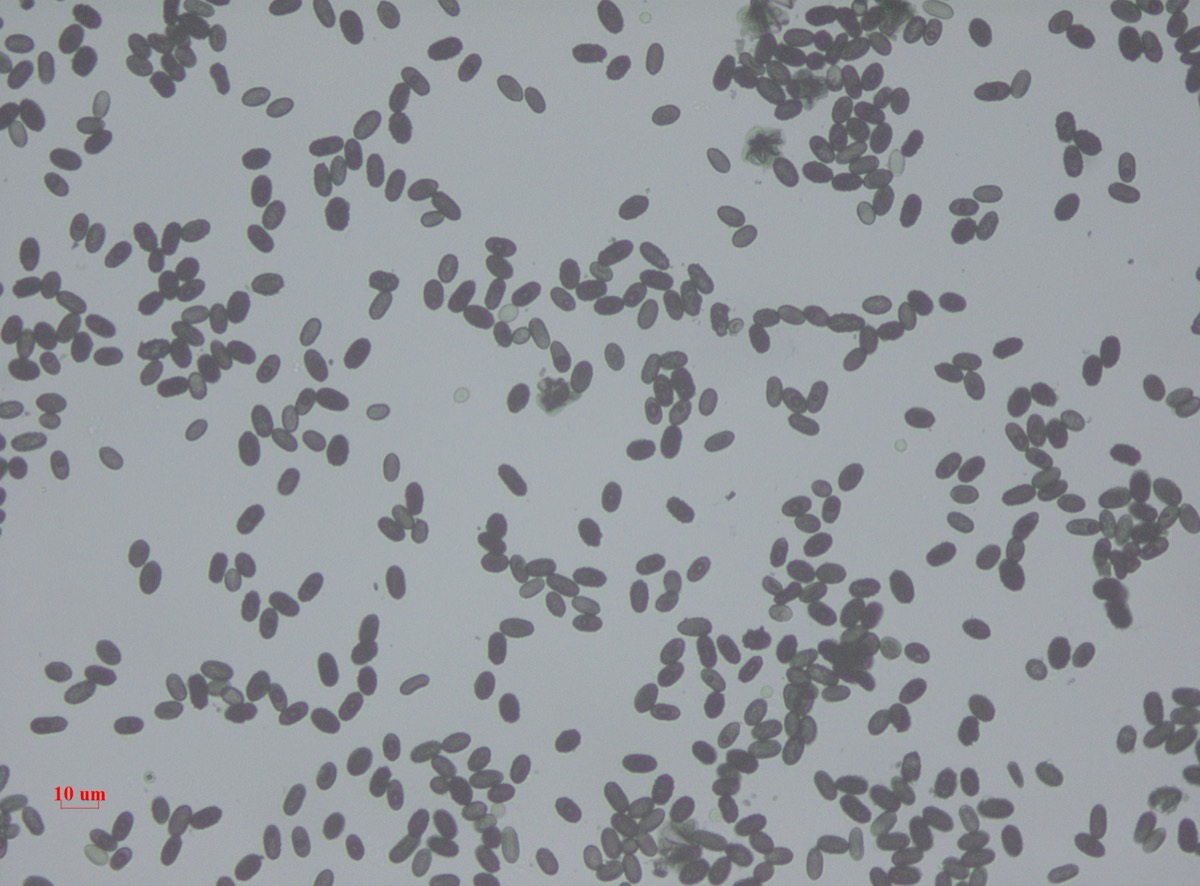
Photo credits: Mold on ceiling — Infrogmation, Wikimedia Commons, CC BY 3.0. Stachybotrys spores — Dr. Sahay, Wikimedia Commons, CC BY-SA 3.0.