Cleanup & Drying
Should I Rip Out Wet Drywall After a Flood? (Remove vs. Dry)
Whether to rip out wet drywall after a flood depends on the water: clean-water drywall can sometimes dry in place if treated within 24–48 hours, but contaminated flood water means cut it out and discard. How high to make the flood cut, when insulation must go, and how to know if mold is inside the wall.
Reviewed against current FEMA, EPA and IICRC S500 guidance.
Should you rip out wet drywall after a flood? The honest answer turns on one question: what kind of water got it wet. Clean-water drywall can sometimes dry in place if you treat it within 24–48 hours, but drywall touched by contaminated flood water (Category 2 or 3) needs to be cut out and discarded. The standard flood cut runs 12–24 inches above the waterline, and saturated insulation always comes out. This guide is part of our water damage cleanup hub.
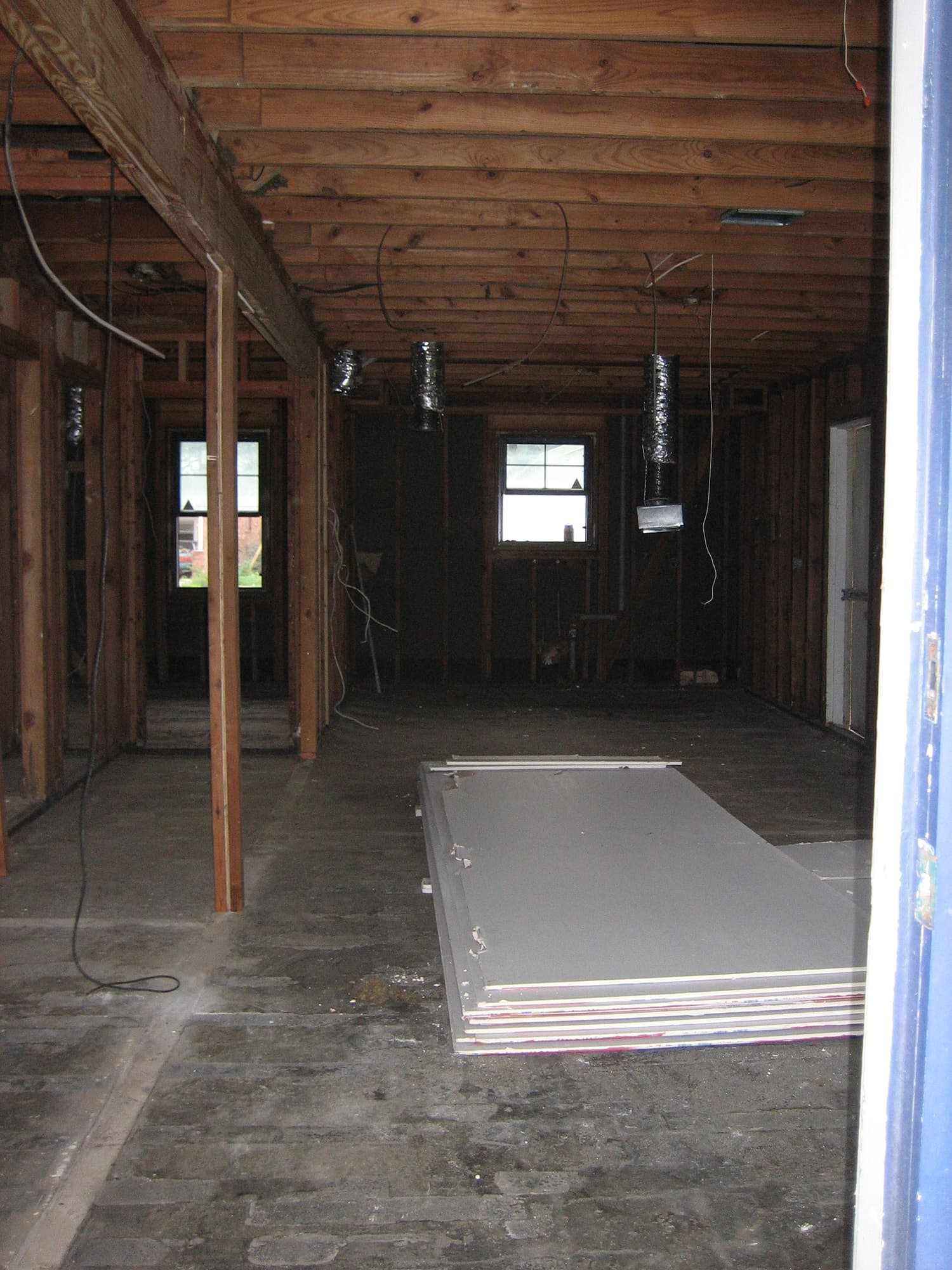
Drywall (gypsum board) is a paper-faced, porous panel that acts like a wick. Water doesn’t just wet the part you can see — it climbs the wall inside the cavity and soaks the insulation and framing behind it. That’s why the remove-or-dry decision is really a decision about contamination and how far the water traveled.
Should you remove wet drywall or dry it?
Start by identifying the water category, because it overrides everything else:
- Category 1 — clean water (a burst supply line, rainwater). Lowest risk. If you catch it within 24–48 hours and can dry the wall cavity behind the board, the drywall can sometimes be dried in place.
- Category 2 — gray water (appliance discharge, some seepage). Moderate contamination. Drying alone usually isn’t enough; the affected drywall typically comes out.
- Category 3 — black water (sewage, storm floodwater). A biohazard. Porous materials that contacted it can’t be reliably cleaned and must be removed.
FEMA and EPA guidance for flooded buildings is direct that saturated, contaminated drywall should be removed — gypsum board that soaked up dirty flood water can’t be decontaminated in place and will harbor mold. The same logic applies to clean water that sat too long: the EPA’s mold guidance says materials wet beyond about 48 hours should be considered for removal if they can’t be fully dried, because mold begins to grow in the 24–48 hour window.
Source: EPA — Mold Course, Chapter 4The full breakdown of clean versus gray versus black water is in the categories of water damage — read it before deciding what’s salvageable.
How high above the waterline should you cut?
The flood cut is the horizontal line you cut and remove the drywall to. The rule of thumb from flood-restoration practice is to cut 12 to 24 inches above the visible watermark.
Why above the line you can see? Because gypsum wicks moisture upward, and contaminated water carries silt and microbes up the wall behind the surface. Cutting only to the waterline leaves wet, possibly contaminated board in place.
A practical refinement restorers use: if the water was below about 2.5 feet, cut at 4 feet instead. That removes a clean half-sheet of drywall and makes replacement easy with standard full sheets, while comfortably clearing the contamination zone.
| Water source | Dry in place? | Flood cut? | Insulation |
|---|---|---|---|
| Clean (Cat 1), < 48h | Sometimes, if cavity dries | Often not needed | Remove if saturated |
| Clean > 48h or saturated | No | Yes, 12–24 in above line | Remove |
| Gray (Cat 2) | No | Yes, 12–24 in above line | Remove |
| Black (Cat 3) | No | Yes (often higher) | Remove |
Can drywall be saved after getting wet?
Sometimes — but the bar is high, and it only clears for clean water caught fast.
To even consider drying drywall in place, all of these must be true:
- The water was Category 1 (clean).
- You started drying within 24–48 hours.
- You can dry the cavity behind the board, not just the surface — usually by removing baseboards and drilling ventilation holes low on the wall, or removing a course of drywall to open the cavity.
- The board is still firm — not swollen, soft, crumbling, or stained.
Once drywall is saturated it loses structural integrity: the paper face delaminates and the gypsum core turns to mush. At that point there’s nothing sound to dry. And any contamination — gray or black water — disqualifies it outright, because you can’t disinfect a porous panel all the way through.
When the answer is “remove,” document the damage first for your insurance claim — photos of the waterline and the wet materials. The keep-or-toss logic across all your materials is in what to salvage and what to throw away after a flood.
Does the insulation behind it need removal?
Yes — once you’ve opened the wall, wet insulation almost always comes out, whatever the water category.
- Fiberglass batts lose their R-value when soaked and hold water against the framing for a long time, slowing the whole dry-out.
- Cellulose absorbs water like a sponge, compacts, and mats — it rarely recovers and readily grows mold.
- Foam can trap water behind it against the cavity, hiding moisture you think you’ve dried.
Pulling the wet insulation isn’t just about the insulation itself — it’s what lets you dry the framing and the cavity properly before you close the wall back up. Reinstalling drywall over wet framing or wet insulation seals moisture in and guarantees mold. Run air movers and a dehumidifier on the open cavity until a moisture meter on the framing reads dry against a baseline; the full method is in how to dry out a flooded house.
Source: EPA — Mold Cleanup in Your HomeHow to know if mold is inside the wall
After a flood, hidden wall-cavity mold is the most common nasty surprise. Watch for:
- A persistent musty smell — often the only clue to mold you can’t see. The earthy odor is mold off-gassing; the full explanation is in getting rid of a musty smell after water damage.
- Staining or discoloration bleeding through the paint, especially low on the wall.
- Soft, warped, or bubbling drywall, or mold visible at outlets and along baseboards.
The definitive check is simply to open the wall. Once the flood cut is made, you can see the back of the drywall, the insulation, and the framing directly — and a moisture meter on the studs tells you whether the cavity is still wet enough to grow mold. For confirming and locating mold before you cut, see the signs of mold after a flood.
When to call a professional
Replacing a few feet of clean-water drywall is a reasonable do-it-yourself job. Bring in a restoration professional when:
- The water was contaminated (sewage or storm floodwater).
- Large areas or multiple walls are affected.
- Water sat for days before you could start.
- You can’t confirm the cavity and framing are dry with a meter.
Whether to stay in the home during all this is its own question — see is it safe to stay in your house after a flood. And the broader DIY-versus-pro line is drawn in DIY vs. professional water cleanup.