Cleanup & Drying
Washing Machine Flood: What to Do When It Overflows
Washing machine flooded? Shut off the water and power, extract standing water fast, and know when it's a DIY fix versus a call to a pro.
Reviewed against current CDC, EPA, OSHA and IICRC S500 guidance.
When a washing machine floods, cut the power first — unplug it or shut off the breaker if water is near the outlet — then turn off both supply valves behind the machine. Pull up standing water fast, figure out whether it’s clean supply water or gray water from inside the drum, and check the floor below before you decide the cleanup is done.
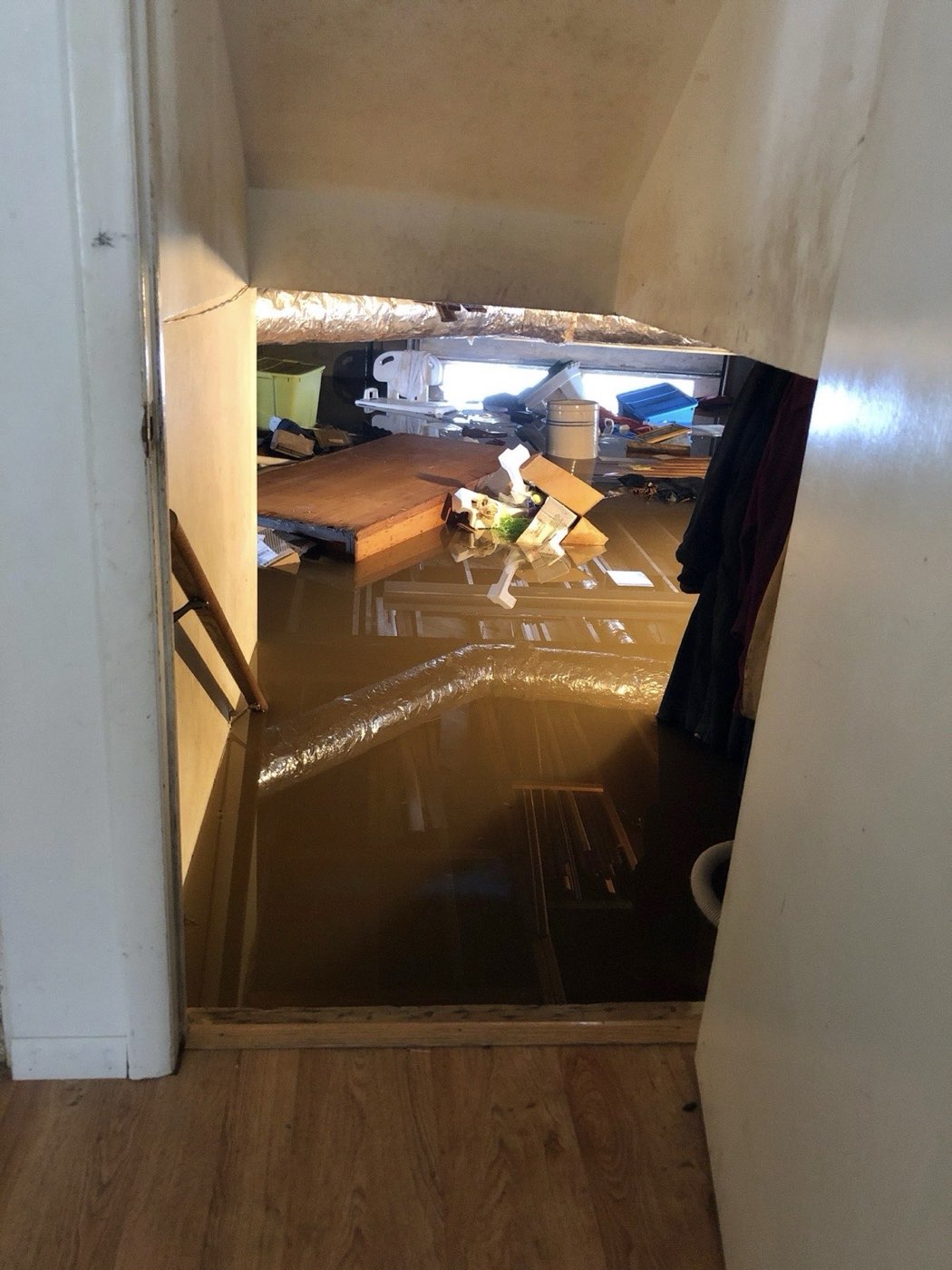
What do you do first when a washing machine floods?
Water and electricity near an active leak is the immediate hazard, so power comes before mopping. If the outlet and cord are dry and reachable, unplug the machine. If water has already reached the outlet, the cord, or a nearby power strip, don’t touch it — go to the breaker panel and shut off power to that circuit instead.
Next, find the two supply valves, usually mounted on the wall directly behind or beside the machine. They look like small round or lever handles on the hot and cold lines. Turn both clockwise until they stop. This cuts the water at the source, whether the leak is from a burst hose, a loose connection, or the machine itself.
If the drain hose is still discharging into a standpipe or laundry sink and water is coming back out, pull the hose free and let it drain into a bucket instead. Once power is off and water is off, the rest is cleanup, not an emergency.
Why did your washing machine overflow?
Knowing the cause changes how you clean up and what you fix afterward. Most washing machine floods trace to one of a handful of failures.
| Cause | What’s happening | Fix |
|---|---|---|
| Burst supply hose | Rubber hose cracks or blows under constant water pressure | Replace both hoses with braided stainless steel |
| Failed door seal or gasket | Front-loader gasket tears or won’t seal, leaking during the wash | Replace the gasket; don’t slam the door |
| Clogged drain pump or hose | Water can’t leave the machine, backs up and overflows | Clear the pump filter and drain hose |
| Detached drain hose | Hose pops out of the standpipe under drain pressure | Re-secure with a hose clamp or zip tie |
| Overloading | Too large a load unbalances the drum and forces water past seals | Wash smaller loads, redistribute wet clothes |
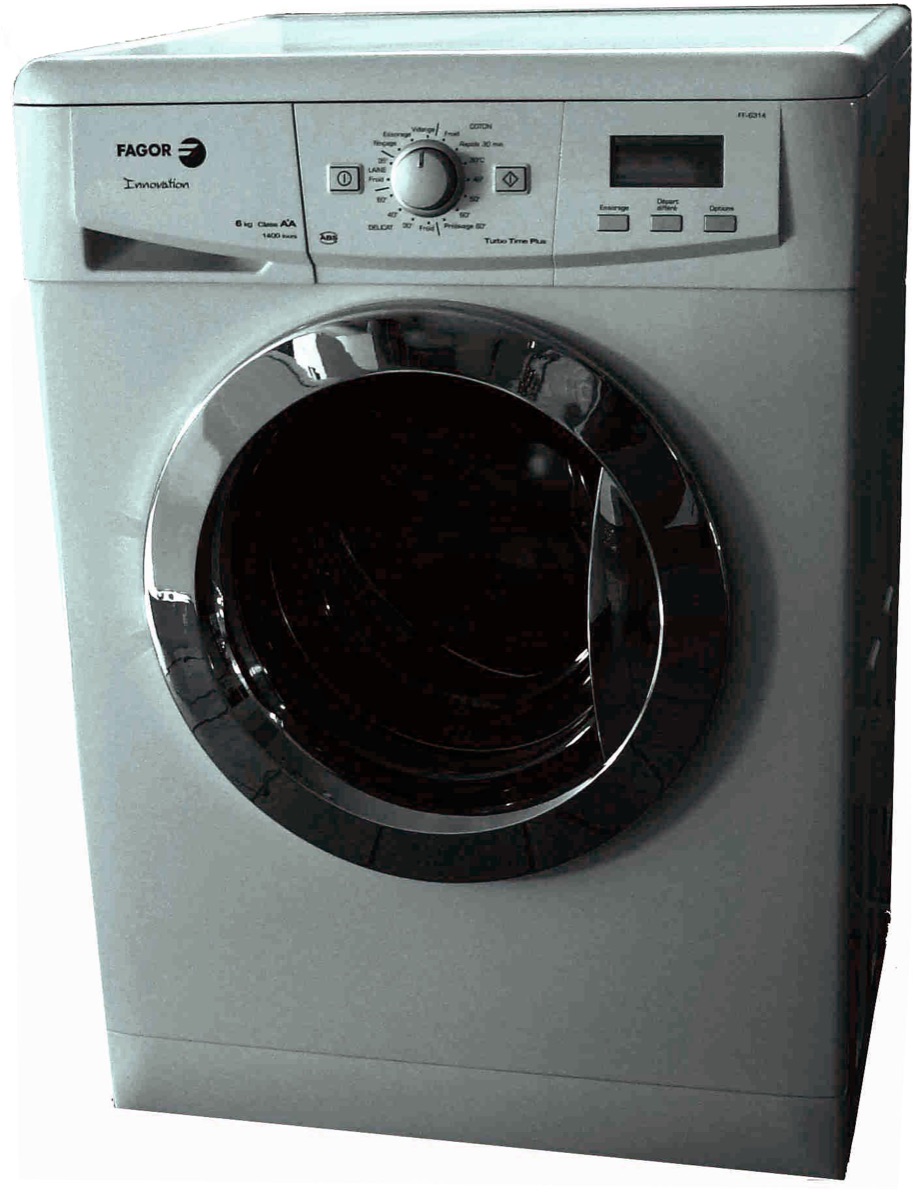
A supply hose failure tends to flood fast and hard since it’s under full house water pressure around the clock, even when the machine is off. A drain or gasket failure usually only leaks while the machine is actively running a cycle — worth noting when you’re trying to figure out which part failed.
Is washing machine overflow water safe to clean up yourself?
That depends entirely on where the water came from, and this is the call that shapes the rest of your cleanup.
- Clean water (Category 1): a supply hose burst or a fitting leaked before the water ever entered the machine. This is the same water coming out of your tap — mop it up, dry the area, done.
- Gray water (Category 2): the overflow came from inside the drum or backed up through the drain, carrying detergent, soil, and lint from the wash. Treat it with gloves and a disinfecting step.
The IICRC S500 standard, the restoration industry’s reference for water categories, treats gray water as a mild-to-moderate contamination risk that needs real cleaning, not just drying. If you’re not sure which kind you’re dealing with, the full breakdown of clean, gray, and black water is in the categories of water damage explained.
What do you need before you start cleanup?
Gather these before you touch the water:
| Item | Why |
|---|---|
| Rubber gloves | Gray water carries detergent residue and biofilm from the drum |
| Towels or a wet/dry shop vac | Pulls up standing water fast, before it spreads under cabinets |
| A fan or dehumidifier | Speeds drying before mold has a chance to start |
| Mild detergent + disinfectant | For gray water, after the standing water is gone |
| Flashlight | To check under and behind the machine, and the ceiling below |
OSHA lists standing water as a slip and electrical hazard on its own, separate from any contamination question — worth keeping in mind even for a clean-water overflow.
How do you clean up a washing machine flood: step by step
- Cut the power, at the outlet or the breaker, as covered above.
- Shut off both supply valves behind the machine.
- Pull the drain hose from the standpipe if it’s still discharging.
- Remove standing water with towels or a wet/dry vac, working outward from the machine before it spreads further under cabinets or baseboards.
- Move anything wet — laundry, boxes stored nearby, a bath mat — off the floor so it can dry separately.
- Wipe down and disinfect the floor if the water was gray water from inside the drum.
- Check behind and under the machine with a flashlight; water pools there and gets missed.
- Run fans or a dehumidifier until the floor and baseboards are fully dry, not just surface-dry.
- Inspect the ceiling below if the laundry area is on an upper floor.
How do you dry the area and prevent mold?
Once the standing water is gone, the floor and baseboards are usually still damp for hours after they look dry to the eye. Point a fan directly at the wet area and run a dehumidifier if you have one, especially in a small, enclosed laundry closet with little airflow.
Source: EPA — Mold Cleanup in Your HomeThe EPA’s guidance is specific here: mold can begin growing within 24 to 48 hours on a surface that stays damp, so speed matters more than thoroughness in the first day. Pull the machine away from the wall if you can, since water often pools directly underneath and behind it where a fan’s airflow doesn’t reach.
Source: EPA — Flood Cleanup and Indoor Air QualityIf the laundry area has vinyl or laminate flooring, check under the edges where water wicks in through seams — that’s where a floor that looks dry on top can still be growing mold underneath a week later.
Will homeowners insurance cover a washing machine flood?
Usually, yes. A sudden, accidental failure like a burst supply hose or a gasket blowout typically falls under a standard homeowners policy’s water-damage coverage, not flood insurance — flood insurance only applies to water entering from outside the home. The distinction matters because filing under the wrong coverage gets a claim denied fast.
Photograph the damage, the failed part, and any affected belongings before you start cleanup, and keep the failed hose or part if you can — insurers sometimes ask for it. For the coverage details and what typically isn’t covered, see homeowners insurance and water damage.
What if water reached the floor below or nearby drywall?
A washing machine flood that ran for a while, especially from an unattended supply hose, can soak through the subfloor and into the ceiling of the room below. Look for staining, sagging, or dripping on a downstairs ceiling directly under the laundry area.
If water reached baseboards or drywall near the machine, wet drywall that’s stayed damp more than 24 to 48 hours usually needs to come out rather than just dry in place — see wet drywall: remove or dry for how to tell which situation you’re in. For standing water that spread beyond the laundry area into a hallway or adjoining room, removing standing water covers the extraction steps in more depth.
When do you need a plumber, appliance repair tech, or a restoration company?
Three different professionals cover three different parts of this problem, and calling the wrong one wastes a service visit.
- Appliance repair technician: the leak is coming from inside the machine — a drain pump, tub seal, or internal hose — not the supply lines.
- Plumber: the drain line backs up, or the shutoff valves themselves are leaking or won’t fully close.
- Water damage restoration company: gray water reached carpet, drywall, or subfloor, or water soaked through to a ceiling or room below.
Most washing machine floods from a burst supply hose are a DIY cleanup: shut off power and water, extract, dry, done in under an hour. For the broader question of when any water cleanup is beyond a DIY scope, see DIY vs. professional water cleanup.
Washing machine flood cleanup checklist
- Cut the power — unplug or shut off the breaker.
- Shut off both hot and cold supply valves behind the machine.
- Pull the drain hose free if it’s still discharging.
- Remove standing water with towels or a wet/dry vac.
- Sort clean supply water from gray drum/drain water.
- Disinfect the floor if the water was gray water.
- Check under and behind the machine with a flashlight.
- Run fans or a dehumidifier until fully dry, not just surface-dry.
- Check the ceiling below if the laundry area is upstairs.
- Photograph the damage and failed part before you clean up, for insurance.
Cut the power, shut off the water, then sort clean from gray before you clean — that’s what keeps a washing machine flood a quick fix instead of a bigger repair.
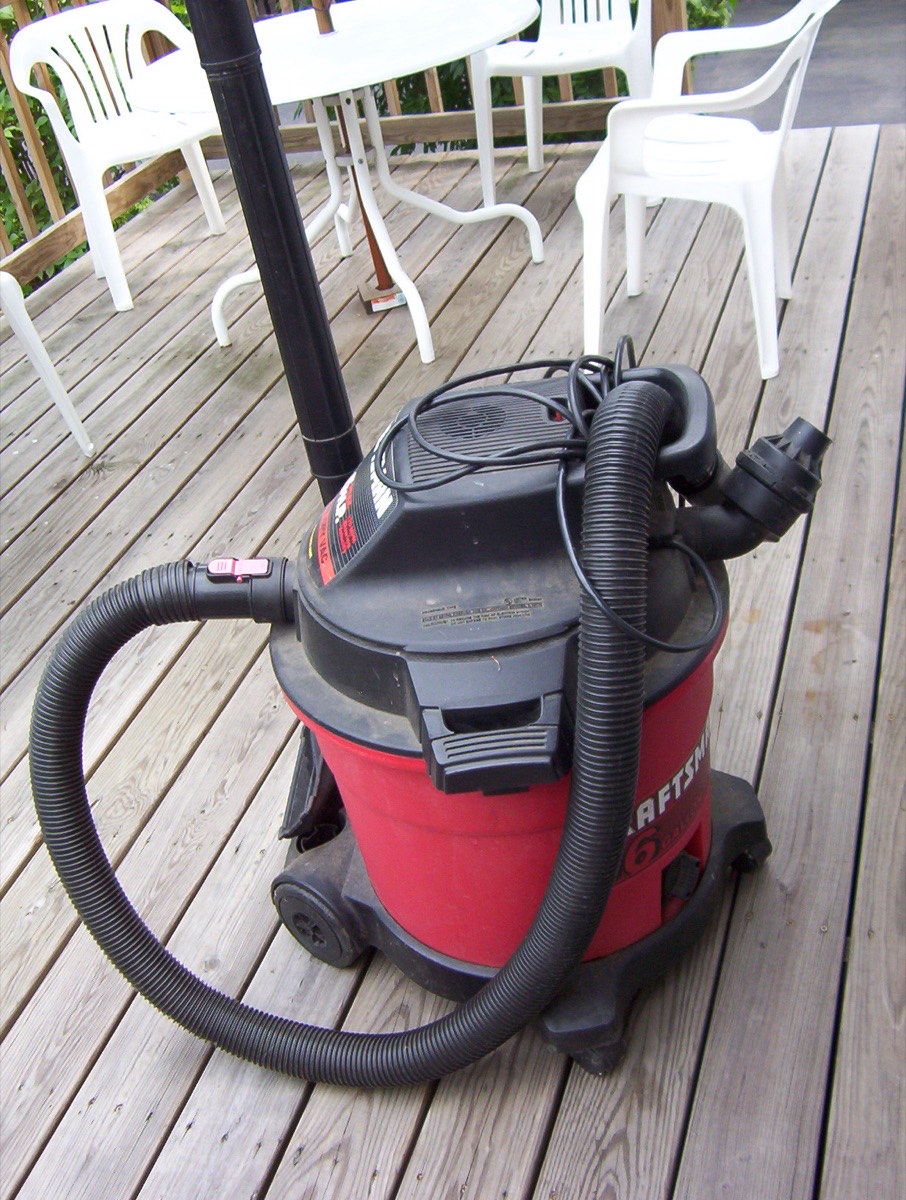
Image credits: flooded floor photo by OakleyOriginals, Wikimedia Commons, CC BY 2.0. Washing machine photo by Dany kg, Wikimedia Commons, public domain. Shop vac photo by Nynexman4464, Wikimedia Commons, CC BY-SA 2.5.