Mold
Is Black Mold Dangerous? What the Science Says
Is black mold dangerous? What the CDC and EPA say about Stachybotrys, 'toxic mold syndrome,' and how it compares to other household molds.
Reviewed against current CDC and EPA guidance.
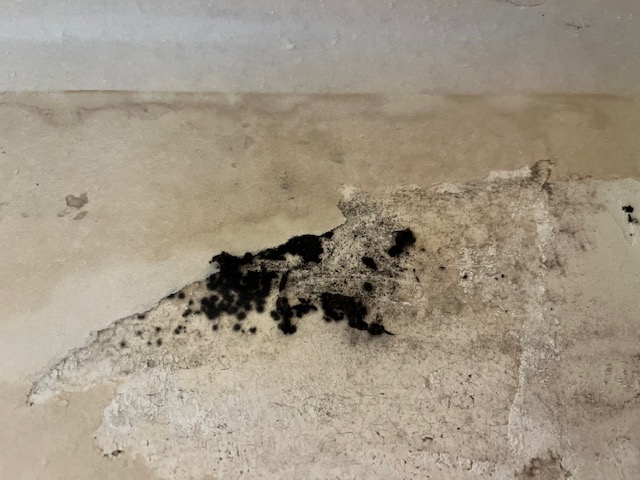
Is black mold dangerous? It can cause health effects in sensitive people, but current CDC and EPA guidance is clear: there’s no scientific evidence that black-colored mold is more toxic or dangerous than other indoor molds, or that it causes the severe “toxic mold syndrome” once reported in the media. All mold, regardless of color, should be treated as a problem and removed.
Where the “toxic black mold” scare came from
The term “toxic black mold” took off in the late 1990s, after a cluster of infant illnesses in Cleveland was initially linked to Stachybotrys exposure in media coverage. The story spread fast, and “black mold” became shorthand for a uniquely lethal household threat.
Follow-up scientific review didn’t support that link. The CDC’s own investigators re-examined the Cleveland cases and found the original conclusion wasn’t well supported by the evidence. Decades of research since then haven’t produced solid proof that Stachybotrys causes a distinct, severe illness that other molds don’t.
That history matters because it’s still shaping how people react today. A homeowner who spots dark mold on drywall after a leak often assumes they’re facing something uniquely catastrophic. The science says otherwise — the mold still needs to be dealt with, but the panic isn’t proportionate to the evidence.
Source: CDC — Mold and Your HealthWhat the CDC and EPA actually say
Both agencies land in the same place: mold color doesn’t determine danger.
The CDC states there is no evidence that “black mold” is any more hazardous than other common indoor molds. Its official position is that all molds should be treated the same way — if you can see or smell mold, it should be removed, regardless of species. The EPA echoes this in its own guidance, noting that identifying the exact type of mold growing in a home usually isn’t necessary, because the recommended cleanup approach doesn’t change based on species.
Neither agency recommends routine testing to determine whether mold is “the dangerous kind.” Testing has a role in specific situations — like confirming a suspected source for a health complaint, or documentation for an insurance claim — but it isn’t required to decide whether to clean mold up.
What black mold health risks actually look like
The realistic health risks from black mold — and mold generally — fall into a few categories, per CDC guidance:
- Allergic reactions — sneezing, runny or stuffy nose, red or itchy eyes, skin rash. Most common, and usually the extent of it for healthy people.
- Respiratory irritation — coughing, throat irritation, wheezing, especially with heavier or prolonged exposure.
- Asthma aggravation — mold is a well-documented trigger for people with asthma, and exposure can provoke attacks.
- Infections in immunocompromised people — rare, and limited almost entirely to people with severely weakened immune systems (such as those undergoing chemotherapy or organ transplant), where some mold species can cause serious infections.
For the large majority of healthy people, symptoms resolve once the mold is removed and the moisture source is fixed. People with mold allergies, asthma, chronic lung disease, or compromised immune systems are the group most likely to have a meaningful reaction, and should be more cautious about exposure and cleanup.
Source: EPA — A Brief Guide to Mold, Moisture and Your HomeBlack mold myths vs. what the evidence shows
| Common claim | What the evidence shows |
|---|---|
| Black mold is uniquely toxic compared to other molds | No proof of this — CDC/EPA treat all indoor mold the same way |
| Black mold causes memory loss, chronic fatigue, “toxic mold syndrome” | Not supported by controlled research; these claims trace to unverified 1990s reports |
| You must test to know if it’s the “dangerous kind” | Testing isn’t required — visible/smelled mold should be removed regardless of species |
| Any exposure to black mold can be fatal | No credible evidence of this in the general population; severe cases are rare and tied to immune compromise |
| Mold color tells you how dangerous it is | Color reflects species and growth stage, not toxicity — some harmless-looking white or green mold can trigger equally strong allergic reactions |
How black mold typically grows after water damage
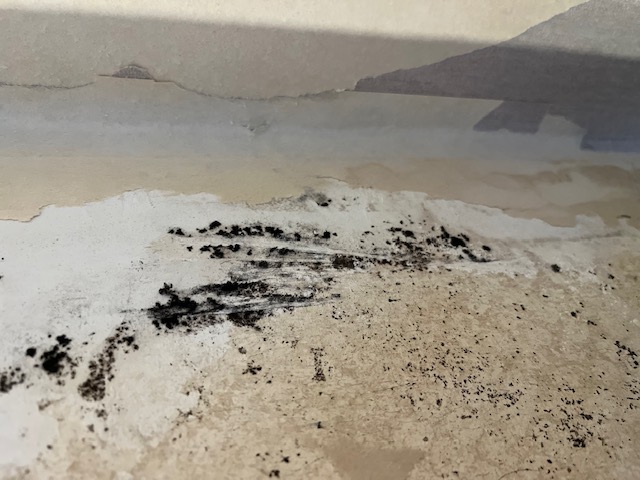
Stachybotrys favors the same conditions as most indoor mold: sustained moisture and a cellulose-rich food source. After a leak or flood, it commonly appears on:
- Water-damaged drywall and ceiling tiles
- Wet cardboard, paper, and insulation backing
- Wood that’s stayed damp for days
- Areas with high humidity and poor airflow, like behind furniture or inside wall cavities
Growth typically needs the material to stay wet for an extended period — days, not hours — which is why fast drying after any water event matters more than which mold species might eventually grow. The EPA and FEMA note mold can begin growing on wet materials within 24 to 48 hours, so the real defense is removing water quickly, not identifying species after the fact. For the full timeline, see how long it takes mold to grow after water damage.
What to actually do if you find black-looking mold
The response doesn’t change based on color, and it doesn’t require identifying the species first:
- Fix the moisture source — a leak, condensation, or lingering dampness from water damage.
- Assess the size. Small areas (under roughly 10 square feet, per EPA guidance) are often manageable to clean yourself with the right gear.
- Wear protection — an N95 respirator or better, gloves, and eye protection before disturbing any mold.
- Clean or remove affected material. Hard, non-porous surfaces can often be cleaned; heavily saturated porous materials like soaked drywall or carpet usually need to be removed and discarded.
- Call a professional for large areas, mold inside HVAC systems, or if anyone in the home has significant health symptoms.
The full walkthrough — including what to use, what to protect, and when a small job becomes a big one — is in cleaning mold after water damage and mold after water damage: what to do.
Does homeowners insurance cover it?
Whether black mold cleanup is covered often depends on what caused it — a sudden covered event like a burst pipe versus long-term neglect or humidity. That question, and how to document a claim, is covered separately in is mold covered by insurance.
The bottom line
Black mold deserves the same response as any indoor mold: find the moisture source, protect yourself, clean it up or remove the material, and get help for large or health-sensitive situations. What it doesn’t deserve is the outsized fear attached to it since the 1990s — current CDC and EPA science doesn’t support “black mold” as a uniquely lethal category. Treat the color as a clue that you have a mold problem, not a verdict on how dangerous it is.