Safety & Health
Is Floodwater Dangerous? Contamination & Health Risks
Is floodwater dangerous? Yes — floodwater carries sewage, bacteria, chemicals and debris. The contamination and health risks of flood water, per CDC, EPA and FEMA.
Reviewed against current CDC, EPA and FEMA guidance.
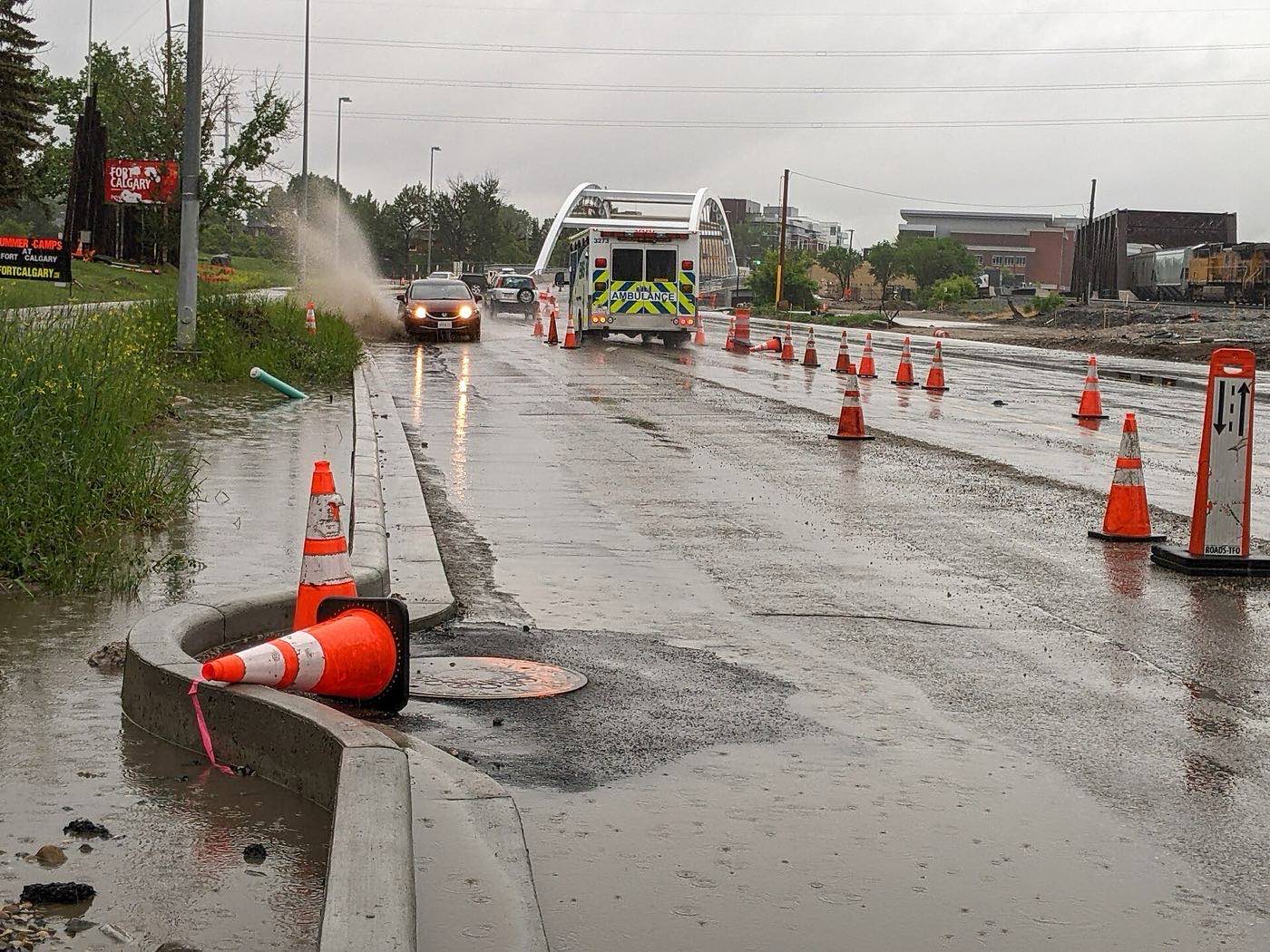
Is floodwater dangerous? Yes — and more than most people realize. Floodwater that looks like ordinary muddy water is, in the words of the CDC, a dangerous mix of sewage, bacteria, chemicals, fuel, and debris, often hiding electrical hazards and sharp objects beneath the surface. It can make you sick from a swallow or a cut, and a few inches of it can knock you down. Treating all floodwater as contaminated and hazardous isn’t paranoia; it’s the standard the public-health agencies recommend. This guide explains exactly what’s in floodwater, the health risks it poses, and how to protect yourself, using CDC, EPA and FEMA guidance. It’s a companion to our guide on whether it’s safe to stay in your house after a flood.
What’s actually in floodwater
The reason floodwater is so hazardous is that it doesn’t stay clean. As it rises and moves across the landscape, it sweeps up contaminants from everything it touches. By the time it reaches your home, storm floodwater is what the restoration industry classifies as Category 3 “black water” — grossly contaminated — even if it looks relatively clear. The category system is explained in the categories of water damage.
Here’s what floodwater commonly carries:
- Sewage. When storms overwhelm sewer systems, raw sewage backs up and mixes into floodwater, bringing bacteria, viruses, and parasites.
- Bacteria and pathogens. E. coli and other harmful microorganisms thrive in contaminated water.
- Chemicals and fuel. Gasoline, oil, household cleaners, and industrial chemicals wash in from garages, roads, and businesses.
- Agricultural runoff. Pesticides, fertilizers, and animal waste from farmland and lawns.
- Physical debris. Broken glass, metal, nails, and other sharp objects you can’t see underwater.
A clear appearance proves nothing. The CDC is explicit that floodwater can look clean and still be grossly contaminated. That’s the single most dangerous misconception about it.
Source: CDC — Stay Safe After a FloodThe hidden physical hazards
Beyond contamination, floodwater conceals physical dangers that injure and kill people every year:
- Downed power lines. Electricity travels through water. Standing or moving floodwater near a downed line or submerged electrical equipment can be electrified and deadly. Never enter water that might be in contact with electrical sources. The full safety picture is in electrical safety after a flood.
- Open manholes and drains. Floodwater hides openings where covers have been displaced — a step into one can sweep you away.
- Sharp debris. Glass, metal, nails, and splintered wood lurk underfoot.
- Displaced wildlife. Floods drive snakes, rodents, and other animals into homes and floodwater.
- Unstable ground and structures. Currents erode soil and undermine foundations you can’t see.
How floodwater makes you sick
Contact with contaminated floodwater can cause illness in several ways, and the CDC tracks all of them:
Swallowing it
Ingesting even small amounts of contaminated floodwater — including via unwashed hands, food, or contaminated tap water — can cause gastrointestinal illness: diarrhea, vomiting, and cramps from bacteria, viruses, and parasites. This is why food and water that contacted floodwater must be discarded, covered in what to throw away after a flood.
Through cuts and wounds
Floodwater entering an open cut, scrape, or wound can cause serious infection. The CDC advises keeping wounds clean and covered, and seeking medical care for any wound that becomes red, swollen, or painful — that can signal infection. People exposed to floodwater with a contaminated wound should also check whether their tetanus vaccination is current.
Skin, eyes, ears, and nose
Direct contact can cause skin rashes and irritation, and contaminated water in the eyes, ears, or nose can lead to irritation or infection. Wash thoroughly after any contact.
Source: CDC — Floodwater Safety After a DisasterThe drowning and current risk
The physical force of floodwater is its own deadly hazard, separate from contamination. The numbers the National Weather Service and FEMA cite are sobering:
- Six inches of moving water can knock an adult off their feet.
- About a foot of water can float many vehicles.
- Two feet of moving water can carry away most cars and trucks, including SUVs.
This is the basis for the “Turn Around, Don’t Drown” message: most flood-related deaths happen in vehicles when people drive into water that’s deeper or faster than it looks. Moving water is far stronger than it appears, road surfaces beneath it may be washed out, and water depth is nearly impossible to judge from a car.
The rule is absolute: never walk or drive through floodwater. Find another route. No destination is worth it.
Source: Ready.gov — FloodsWho’s most at risk
Floodwater is dangerous to everyone, but some people face higher risk and should stay away entirely:
| Group | Why higher risk |
|---|---|
| Children | Lower immunity, likely to touch face and mouth, smaller body mass in currents |
| Older adults | Weaker immune response, mobility and balance challenges in moving water |
| People with weakened immune systems | More vulnerable to infection from bacteria and pathogens |
| People with open wounds | Direct entry point for contamination and infection |
| Pets | Drink and walk through it, then track contamination indoors |
Keep these groups out of flooded areas and floodwater completely. For anyone who must enter for cleanup, the standard precautions apply to all.
How to protect yourself from floodwater
If you can avoid floodwater, do. When you must be near or in it for cleanup or evacuation, protect yourself:
- Avoid contact whenever possible — the safest exposure is none.
- Never enter water near downed power lines or submerged electrical equipment.
- Wear protective gear: waterproof boots, gloves, eye protection, and an N95 respirator. The full list is in protective gear for flood cleanup.
- Keep cuts clean and covered, and watch wounds for signs of infection.
- Wash thoroughly with soap and clean water after any contact.
- Don’t drink tap water until authorities confirm it’s safe; use bottled or boiled water if a boil-water notice is in effect.
- Discard food and porous items the water touched.
- Keep children and pets out of flooded areas entirely.
When floodwater enters your home, the cleanup itself carries these same risks, which is why contaminated-water cleanup so often calls for professionals — see DIY vs. professional water cleanup and the broader what to do when your house floods.
After exposure: when to seek help
Most brief contact, washed off promptly, won’t cause harm. But seek medical attention if you notice:
- A wound that becomes red, swollen, warm, or increasingly painful.
- Diarrhea, vomiting, or fever after possible ingestion.
- Skin rashes that spread or worsen.
- Any eye or ear irritation that doesn’t quickly resolve.
When in doubt, call your doctor or a poison-control or health hotline. People with weakened immune systems should be especially quick to seek care. And remember the tetanus question: if a wound contacted floodwater and your tetanus shot isn’t current, ask a provider about a booster.