Cleanup & Drying
How to Dry Out a Basement After a Flood
How to dry out a basement after a flood: why below-grade water is different, safe pumping rates, dehumidifier sizing, and the signs a wet basement means a foundation problem.
Reviewed against current FEMA, EPA and IICRC S500 guidance.
Learning how to dry out a basement after a flood starts with understanding what makes basements different from the rest of the house: they sit below ground, surrounded by soil that’s now saturated and pushing against the walls. Rushing the process the way you might in an upstairs room can crack a foundation or reflood the space. This guide covers the basement-specific steps — safe water removal, sizing a dehumidifier for a below-grade space, and how to tell a one-time flood from a structural drainage problem.
Why basements are the hardest room to dry
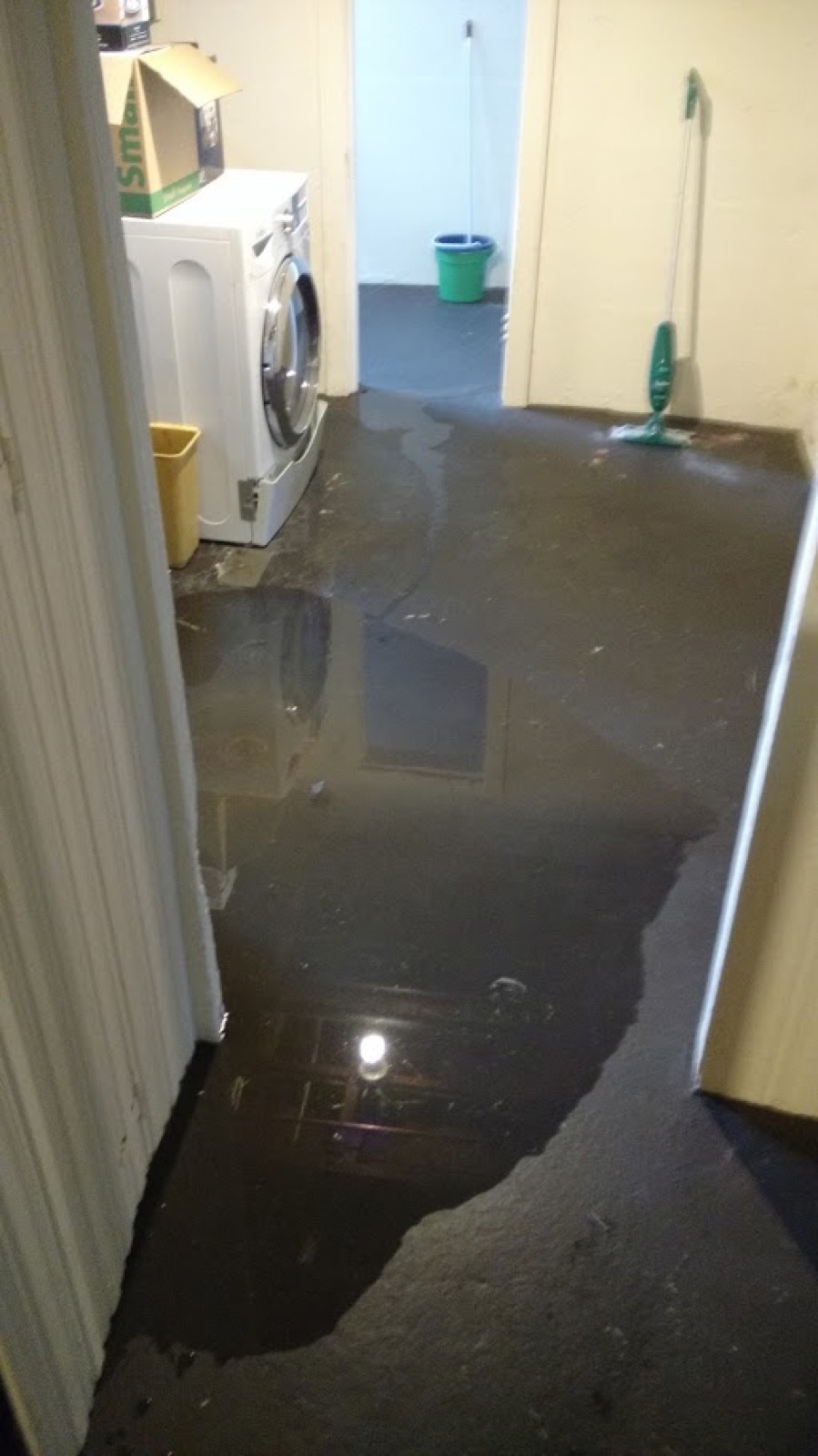
Every other flooded room in a house is above grade — surrounded by air, not soil. A basement is different in three ways that change how you have to approach drying it.
- Hydrostatic pressure. When the ground around your foundation is saturated, it pushes against the basement walls and floor from the outside. Water inside the basement partly balances that pressure. Remove it too fast and the walls lose their counterbalance while the soil outside is still heavy and wet.
- Concrete and block absorb and hold water. Poured concrete and concrete block are porous. They soak up moisture slowly and release it just as slowly, which is why a basement can look dry on the surface for days while the material underneath is still saturated.
- Framing and finishes trap moisture out of sight. Finished basements have wall studs, insulation, and drywall sitting directly against a damp foundation wall. Water wicks up into these materials and stays hidden — exactly the setup that produces mold weeks after the visible cleanup is done, a risk detailed in how long it takes mold to grow after water damage.
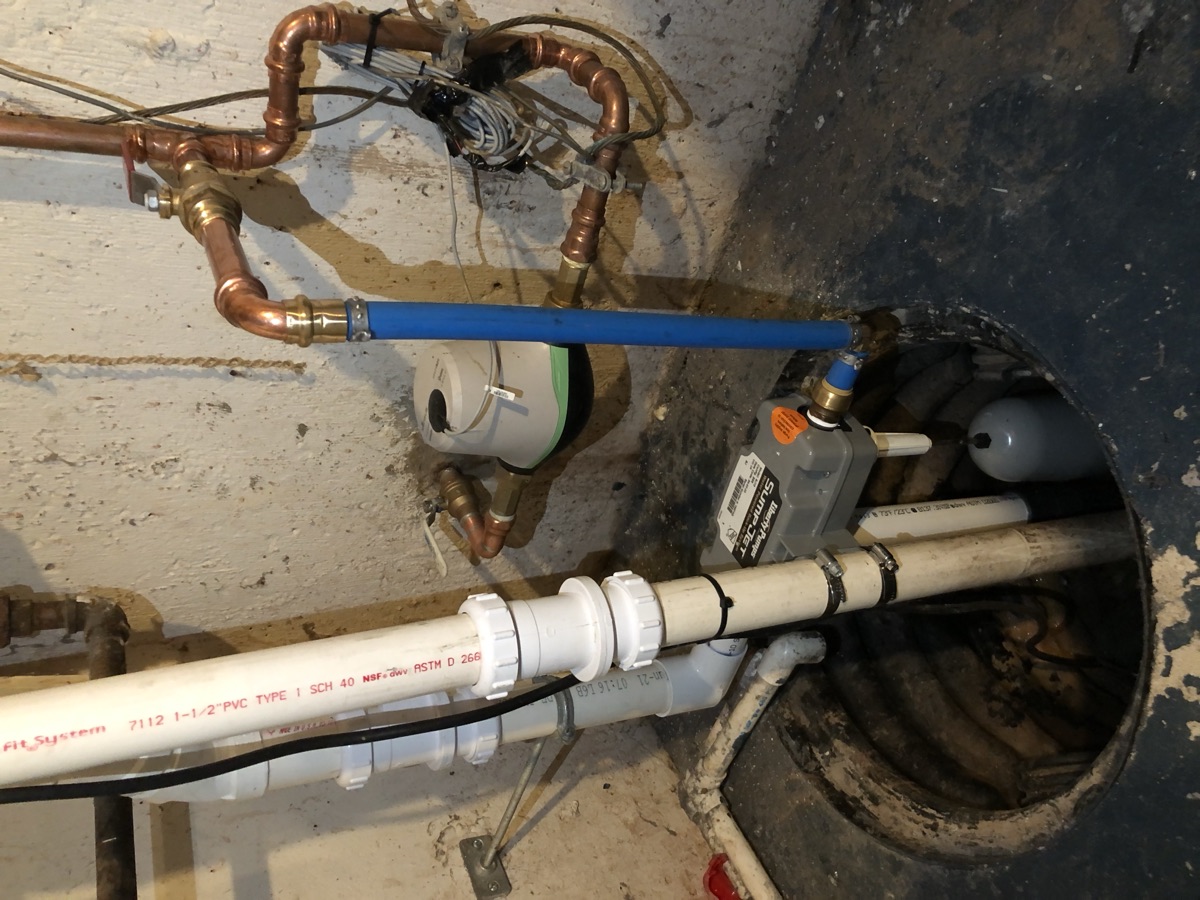
Sump pumps, where basements have them, are the first line of defense — but a sump pump that’s overwhelmed, unpowered, or already failed is often the reason the basement flooded in the first place.
Step 1: Confirm it’s safe before you touch anything
Standing water in a basement is often in direct contact with the home’s electrical panel, outlets, or a furnace. Before you do anything else:
- Don’t enter a flooded basement if there’s any chance the electricity is still live. Water and electricity in an enclosed space is a serious shock hazard. The shutoff procedure is covered in how to shut off water, gas and electricity in an emergency.
- Never run a gas-powered pump or generator inside the basement, even with the door open. Carbon monoxide builds up fast in an enclosed, below-grade space.
- Wear an N95 respirator, rubber boots, and gloves before wading in — see protective gear for flood cleanup for the full list.
- Identify the water source. A supply-line break is clean water; sewage backup or storm floodwater that entered through a window well or foundation crack is contaminated. The distinction changes what can be dried versus what has to be discarded — see water damage categories explained.
Step 2: Remove the water — slowly, if the ground is still saturated
This is the step that trips up most homeowners, because the instinct is to pump a flooded basement dry as fast as possible.
If the storm just passed and the soil outside is still saturated, don’t. FEMA’s guidance for flooded basements is to remove only about a third of the standing water per day until the surrounding ground has had time to drain. Pumping it all out at once while the soil outside is heavy and waterlogged removes the pressure balancing the walls from the inside, and that pressure difference can crack a foundation wall or buckle a basement floor slab.
If the source was a one-time indoor event — a burst pipe, a water heater failure, a washing machine overflow with no storm involved — there’s no saturated soil pushing back, and you can pump the basement out at a normal pace.
How to actually remove the water:
- A submersible sump or utility pump for standing water more than an inch or two deep, discharging well away from the foundation so it doesn’t drain straight back in.
- A wet/dry shop vacuum for shallower water and puddles left after pumping.
- A squeegee and towels for the last film of moisture on the slab.
The general extraction method is covered in more depth in how to remove standing water from your home; the basement-specific caution above is the piece that guide doesn’t cover.
Step 3: Get wet materials out of the basement
Basements tend to store the most water-absorbent stuff in the house — cardboard boxes, carpet, stored furniture. All of it has to come out before serious drying can start.
- Carpet and padding. Padding almost never survives a flood; carpet itself is sometimes salvageable if the water was clean and you act within a day or two.
- Cardboard boxes and stored paper. These saturate immediately and become a mold source if left in place.
- Drywall and insulation that were submerged. Wet drywall wicks water upward well above the visible waterline and generally has to be cut out several inches above where the water reached.
- Furniture, rugs, and anything else that soaked up water.
Photograph everything before you remove it for your insurance file — see how to document flood damage for insurance.
Step 4: Size the dehumidifier correctly for a below-grade space
A basement is naturally cooler and more humid than the rest of the house even without a flood, which means a dehumidifier sized for an average bedroom is not going to keep up with active flood drying below grade.
| Basement area | Minimum dehumidifier capacity | Notes |
|---|---|---|
| Up to 600 sq ft, lightly damp | 30–50 pints/day, high-capacity unit | One unit generally sufficient |
| Up to 1,200 sq ft, actively flooded | 70+ pints/day, commercial-grade | Add a second unit for heavy saturation |
| Over 1,200 sq ft or multiple rooms | Two or more 70+ pint units | Rented commercial units recommended |
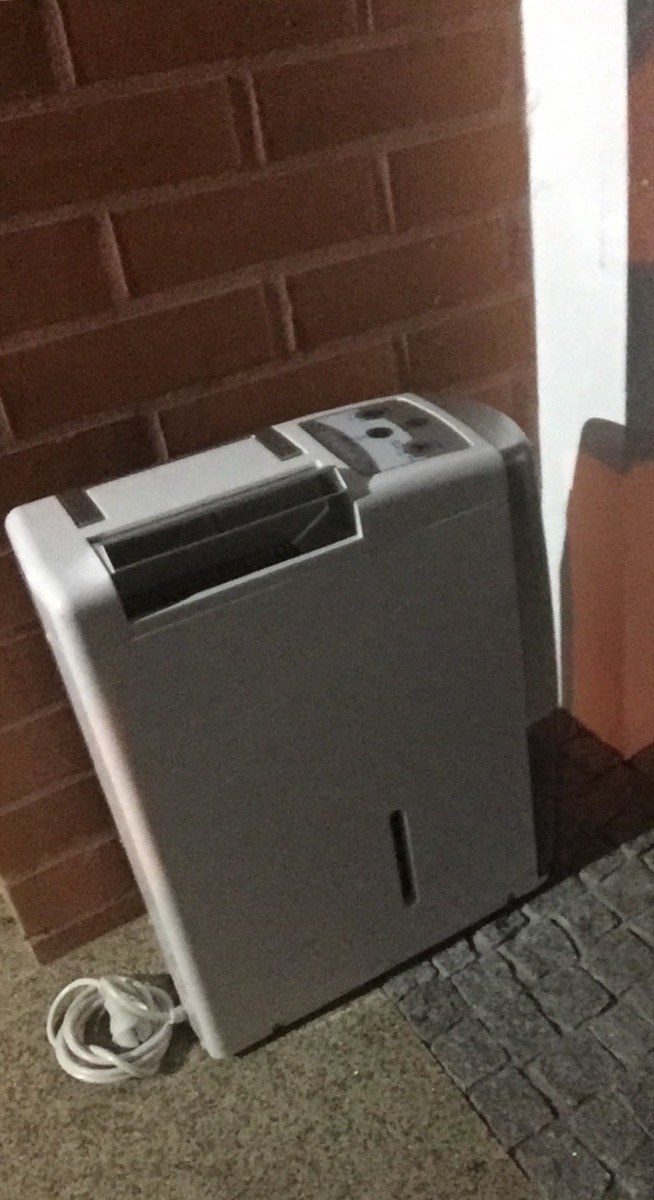
Run the dehumidifier continuously, not on a humidity-sensing auto cycle, until the structure is verified dry. Pair it with fans (air movers) angled along the walls and floor — not blasting straight at them — to keep evaporated moisture circulating toward the dehumidifier instead of settling back onto damp surfaces. The fan-and-dehumidifier pairing and placement details are covered step-by-step in how to dry out a flooded house, which applies to the basement the same way it applies upstairs.
Step 5: Check hidden moisture before you call it done
Concrete and block hold water far longer than they appear to. A basement floor can look and feel dry within a day while the slab underneath is still saturated, and finished walls can hide a wet stud cavity behind intact-looking drywall.
Use a moisture meter to compare readings in the previously wet areas against a known-dry reference point elsewhere in the basement. Keep the dehumidifier and fans running until the readings match. This is the same verification standard used by restoration professionals under the IICRC S500 guidelines.
Source: IICRC — Water Damage StandardsOnce the concrete or block itself reads dry — not just the surface — hard, non-porous surfaces should be cleaned and disinfected, particularly if the water carried any contamination. The EPA’s guidance is that porous materials that can’t be fully dried within about 48 hours generally need to be discarded rather than saved.
Source: EPA — Mold CleanupOne-time flood, or a sign of a bigger problem?
Not every wet basement is a flood emergency — some are a symptom of a drainage or foundation issue that will keep recurring until it’s fixed.
Signs it was likely a one-time event:
- The water came from a specific storm, a burst pipe, or an appliance failure.
- Once dried, the basement stays dry through normal rain.
- There’s no recurring pattern tied to weather.
Signs it’s a drainage or foundation problem:
- Water reappears along the same wall or corner every time it rains.
- The basement gets damp even during ordinary rain, not just major storms.
- Your sump pump runs constantly or has failed before.
- You see efflorescence (white mineral staining) or a musty smell that returns after you’ve dried and cleaned the space.
If any of those describe your basement, drying it out after this flood is only a temporary fix. The underlying issue — grading that slopes toward the house, clogged or disconnected gutters, an undersized or failing sump system, or a foundation crack — needs to be addressed by a foundation or drainage contractor, or the same flooding will happen again with the next heavy rain.
When to bring in a professional
A basement flood is reasonable to dry yourself when the water was clean, the area is small, and you can start within a day. Step back and call a water damage restoration professional when:
- The water was contaminated (sewage backup or storm floodwater).
- Finished walls, insulation, or flooring are affected and moisture may be trapped behind them.
- The basement flooded before and you suspect a structural or drainage cause.
- Equipment has been running for several days without the moisture meter readings improving.
Professionals bring commercial dehumidification, moisture-mapping tools that find water you can’t see behind drywall, and the judgment to know when materials need to be removed rather than dried. The decision framework is covered in DIY vs. professional water cleanup.