Insurance
Water Damage vs. Flood Insurance: Why the Difference Matters
Water damage vs flood insurance explained: how insurers classify a loss, why the label decides coverage, and what to do when the cause is unclear.
Reviewed against current FEMA, NFIP and FloodSmart guidance.
Water damage vs. flood insurance isn’t a question of which policy sounds right — it’s a legal classification your insurer makes, and it decides whether your claim gets paid at all. This guide explains how insurers actually draw that line, walks through the gray-area cases that trip people up (storm-driven rain, backed-up drains, water at the foundation), and lays out what to do when the cause genuinely isn’t clear yet.
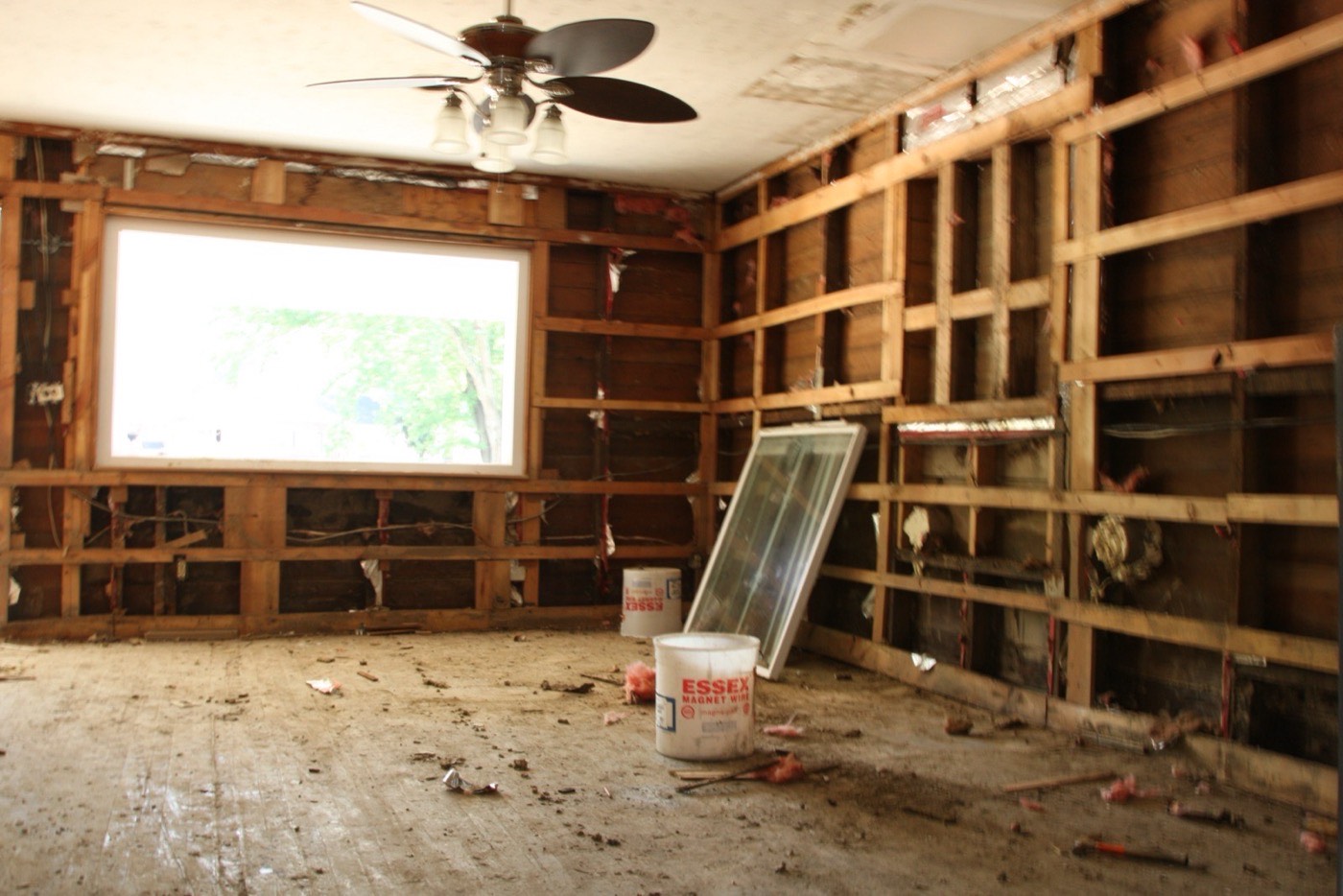
Why this classification decides your claim
Every water loss gets sorted into one of two buckets before an insurer will pay anything, and the two buckets sit on completely different policies:
- Water damage — a sudden, accidental failure of something inside the home. Homeowners insurance handles this.
- Flood — surface water rising and entering from outside. Only a separate flood policy handles this.
The trap is that both look identical once the carpet is soaked. A homeowner sees water on the floor and assumes “water damage” means “covered.” Source: FEMA — National Flood Insurance Program The insurer, meanwhile, is investigating cause, not appearance — and if the cause traces to rising exterior water, a standard homeowners policy won’t pay a cent toward it, no matter how the damage looks. For the full coverage breakdown on each side, see does homeowners insurance cover water damage and flood insurance vs. homeowners insurance.
How insurers actually classify a loss
Adjusters work from two questions, and the answers to both determine which policy applies:
- Where did the water originate? Inside the structure (plumbing, an appliance, the water heater) or outside it (the ground, a nearby body of water, storm runoff)?
- How did it arrive? Suddenly and accidentally, or gradually?
A loss only counts as “water damage” for homeowners purposes when it’s sudden, accidental, and internal. NFIP’s definition of a flood, by contrast, centers on water that rises and affects the ground or two or more properties — the emphasis on a general condition, not a single household’s plumbing, is what separates a flood from an isolated internal failure.
The gray-area cases that actually cause disputes
Most water damage vs. flood insurance confusion happens in a handful of recurring scenarios. Knowing them ahead of time is the best way to avoid a denial that catches you off guard.
Wind-driven rain through a damaged roof
If a storm tears shingles loose and rain gets into the attic, that’s typically homeowners territory — the wind is the covered peril, and the water damage is a direct consequence of it. The claim is usually filed as wind damage with resulting water intrusion, not as flood.
Rainwater pooling against the foundation
This is the opposite case, and it’s the one that surprises people most. If heavy rain pools on the ground and then seeps or pushes into the home through a foundation crack, a window well, or under a door, insurers generally classify that as flood — even though it “looks like” ordinary rain damage, not a river overflowing.
Storm surge and coastal flooding
Unambiguous flood. Water pushed inland by a storm is textbook flood, and it needs an NFIP or private flood policy regardless of how the interior damage looks.
Sewer or drain backup
This one sits outside both defaults. A sewer backup is typically excluded from homeowners insurance unless you’ve purchased a specific sewer backup endorsement — and it’s also generally not covered by a standard flood policy either, unless the backup itself was caused by flooding. Check both policies’ endorsement pages if this is your loss.
A burst pipe during a flood event
If a pipe bursts for unrelated reasons (age, freezing) during the same week a flood is happening nearby, the two losses can be assessed separately — the burst pipe under homeowners, any flood intrusion under flood insurance — provided you can document which water came from which source.
Source: Ready.gov — FloodsA quick side-by-side
| Scenario | Likely classification | Policy that applies |
|---|---|---|
| Pipe bursts inside a wall | Water damage | Homeowners |
| Water heater ruptures | Water damage | Homeowners |
| Rain pools outside and seeps through the foundation | Flood | Flood insurance |
| River or creek overflows its banks | Flood | Flood insurance |
| Sewer backs up into the home | Neither, by default | Homeowners with endorsement |
| Wind tears roof open, rain follows | Water damage (wind-driven) | Homeowners |
A simple way to think through it
Before you call anyone, walk through the water’s path in your head. This isn’t a substitute for an adjuster’s investigation, but it’s usually enough to know which insurer to call first:
Why the stakes are higher in a Special Flood Hazard Area
If your home sits in a FEMA-mapped Special Flood Hazard Area (SFHA), the classification question carries extra weight. Lenders on federally backed mortgages require flood insurance in an SFHA specifically because the odds of an exterior-water loss are high enough that “it probably won’t happen” isn’t a reasonable bet. Outside an SFHA, flood insurance is optional — but a meaningful share of NFIP claims nationally come from outside mapped high-risk zones, which is why the classification question still matters even for homes that were never required to carry flood coverage. You can check your specific designation using your flood zone lookup before you’re standing in water trying to figure it out.
Renters and condo owners face the same split
The water damage vs. flood classification applies just as strictly if you rent or own a condo — only the policy names change. A renters policy covers your belongings from a sudden internal failure the same way homeowners insurance does, but it excludes flooding just as firmly; renters can add flood coverage for contents through the NFIP. In a condo, the split usually runs between your unit’s HO-6 policy and the building’s master policy, and a loss traced to rising exterior water can leave both associations pointing at flood coverage neither one carries by default. If you’re in either situation, it’s worth confirming with your insurer, before anything happens, whether your policy or the building’s covers a given source of water — the classification question doesn’t go away just because you don’t own the structure.
What to do when the cause isn’t clear yet
If you genuinely don’t know whether your loss will be classified as water damage or flood — and many homeowners don’t, in the first confusing hours — the goal isn’t to guess correctly. It’s to preserve enough evidence that whichever adjuster investigates can make the call fairly.
- Get people safe first, then stop the source if it’s internal and safely reachable — see what to do when a pipe bursts for the internal-source version of this step.
- Photograph and video everything before cleanup starts, including the water’s apparent path and any external conditions (standing water outside, a nearby overflowing drain, storm damage to the roof). The full method is in how to document flood damage for insurance.
- Report the loss to every applicable policy, not just the one you assume applies. If you hold both homeowners and flood coverage, notify both insurers and let each investigate independently.
- Note the timeline in writing — when you first noticed water, what the weather was doing, and anything you saw or heard (a pipe knocking, water pooling outside first). Adjusters weigh sequence of events heavily.
- Don’t argue a classification yourself before an adjuster inspects. State the facts you observed; let the investigation determine cause. If you disagree with the result, your policy’s appraisal or appeals process is the right channel — not a dispute with the adjuster on-site.

Why carrying both policies is worth considering
Because the classification line can be genuinely hard to predict in advance — a heavy storm can produce both an internal failure and exterior water intrusion at the same address — many homeowners in flood-prone or storm-prone areas carry both homeowners and flood insurance rather than betting on one classification. Flood policies typically carry a 30-day waiting period, so this isn’t a decision to make once a storm is already forecast; it has to happen on an ordinary, dry day. Source: FloodSmart — National Flood Insurance Program
The bottom line
“Water damage vs. flood insurance” isn’t about which term sounds closer to what happened in your home — it’s a specific classification insurers make based on where the water started and how it arrived. Sudden internal failures are water damage, covered by homeowners insurance. Water that rises and enters from outside is a flood, covered only by a separate policy. When you’re not sure which applies, document the cause thoroughly, report to every policy you hold, and let the investigation — not your first guess — decide. For the full coverage and claims picture, start at our insurance hub.