When It Floods
Flooded House? What to Do Until Help Arrives
Flooded house? Here's what to do while you wait for help — what actually helps, what to avoid, and how to tell when it's time to stop waiting.
Reviewed against current Ready.gov, CDC, NWS and American Red Cross guidance.
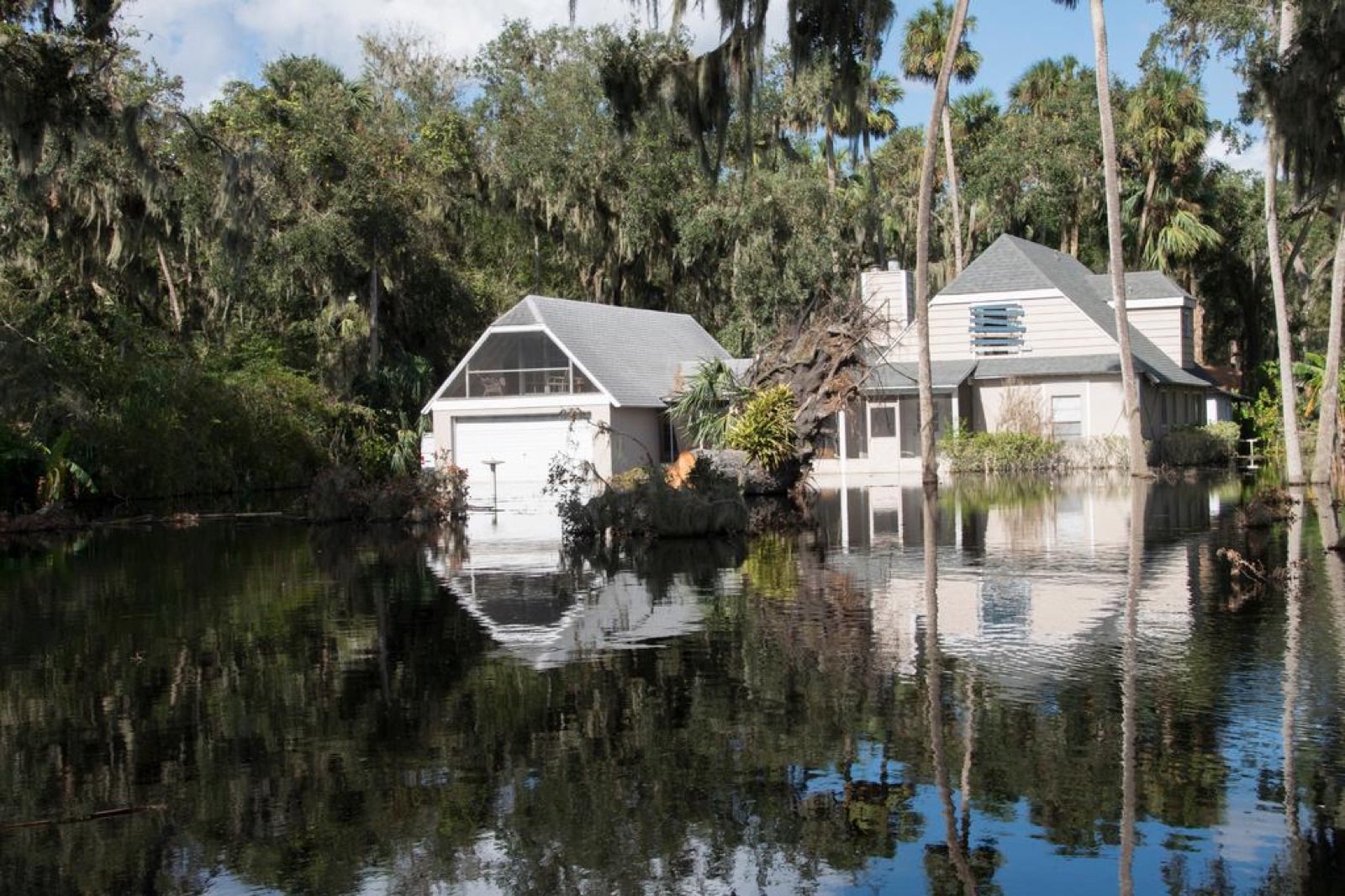
A flooded house often means a stretch of waiting — the water is still there, the power may be off, and help has not arrived yet. Use that time to protect what you can, document what happened, and watch for signs it is no longer safe to stay. That waiting period is what most checklists skip.
This isn’t the full recovery checklist — for the complete hour-by-hour process once things are moving, see the first 24 hours after a flood and our broader guide on what to do when your house floods. This article is narrower: what to actually do with the waiting itself.
Who Counts as “Help” — and Who Do You Call First?
“Help” isn’t one phone call. Different parts of a flood need different responders, and calling the wrong one first just costs you time.
| Situation | Who to call | Why |
|---|---|---|
| Someone’s trapped, hurt, or you smell gas | 911 | Life safety always comes first |
| Water is rising fast or has a current to it | 911 / local emergency management | This is a rescue situation, not a cleanup one |
| Gas smell or a submerged meter, but everyone is safe | Your gas or electric utility | Only the utility can safely isolate or restore service |
| Flooding is from an internal source, like a burst pipe or water heater, that hasn’t stopped | A plumber, or your own main shut-off valve | Stopping the source matters more than anything else once people are safe |
| Water’s stopped, everyone’s safe, and it’s now about cleanup and the claim | Your insurer, then a restoration company | This is the “help” most people are actually waiting on |
In a widespread flood event, 911 and utility crews are handling life-safety calls first, so a call about internal cleanup can simply mean a longer wait. That’s normal — it doesn’t mean something went wrong with your call.
What’s Actually Useful to Do While You Wait
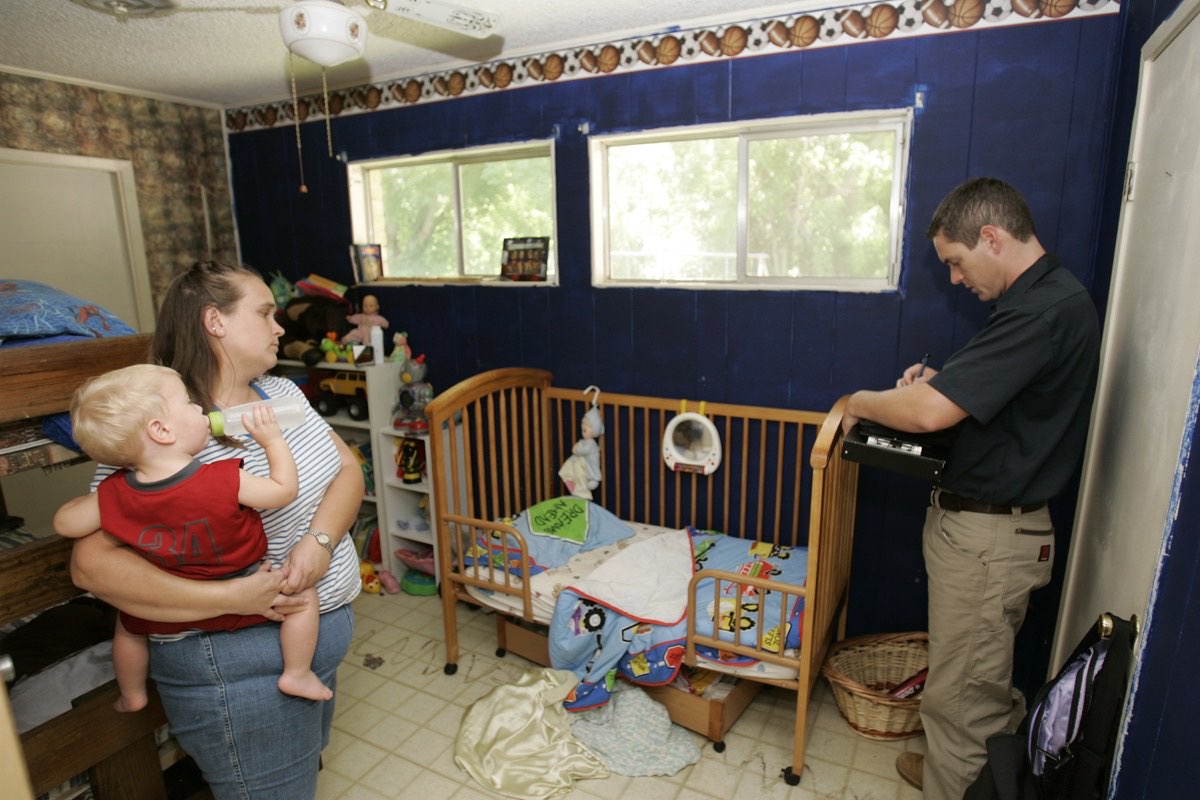
Waiting doesn’t have to mean sitting still. A few things genuinely help, and none of them require you to touch standing water or start major cleanup.
- Protect documents and valuables. Gather passports, insurance papers, medications, and anything irreplaceable, and move them to the highest, driest spot available — a closet shelf, a car parked on high ground, or a neighbor’s dry garage.
- Start a simple time log. Note on your phone when the water started, who you called and when, and what they told you. It costs nothing now and matters a lot once a claim is being reviewed.
- Keep kids and pets in one dry room, away from stairs or hallways that lead toward the flooded area.
- Stay warm and dry yourself. Wet clothes make it harder to think clearly and faster to get cold, especially if the power’s out.
- Photograph what you can see from where you’re standing. You don’t need to enter a room to document it — a wide shot from the doorway is enough for now. The full method is in how to document flood damage for insurance.
What Not to Do While You’re Waiting
Source: CDC — Carbon MonoxideHow Do You Know When to Stop Waiting and Act?
Waiting is the right call as long as the situation is stable and nobody’s in danger. That can change fast, so check for these signs rather than assuming things are holding steady:
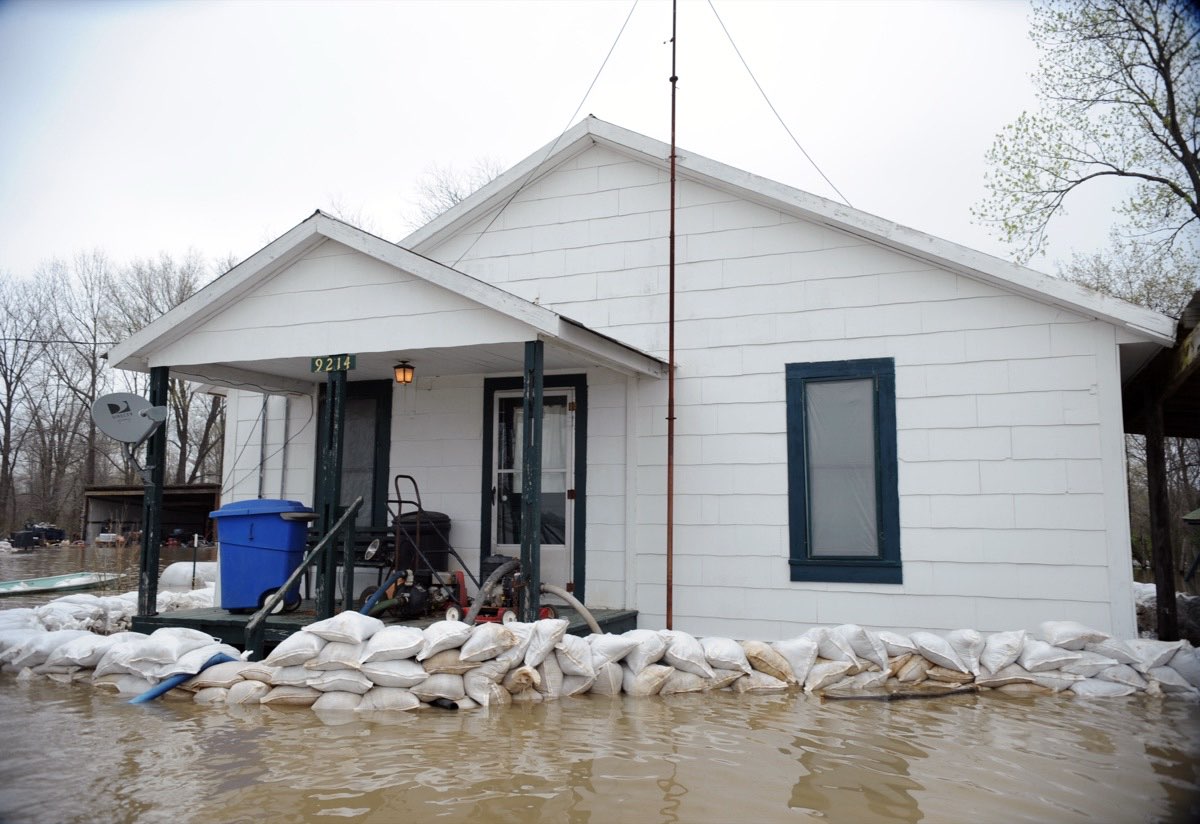
- The water is visibly higher than it was 30 to 60 minutes ago, or it has any current to it. Even shallow moving water can sweep an adult off their feet.
- You smell gas, hear hissing near the meter, or a gas appliance is now underwater. Leave the house and call your utility from outside.
- New structural signs appear — a ceiling starting to sag, cracking sounds, doors or windows that suddenly bind, or a floor that feels soft underfoot.
- Anyone in the house feels unwell — a headache, dizziness, or nausea can be an early sign of carbon monoxide exposure if a generator or gas appliance is running nearby.
None of these mean you did something wrong by waiting. They mean the situation changed, and it’s time to leave and call 911 instead of continuing to monitor from inside. For the broader question of whether it’s safe to stay in the house at all, see is it safe to stay in your house after a flood.
Productive Waiting vs. Busywork: What’s Worth Doing Right Now
The urge to do something is strong, but not every action that feels productive actually helps your safety or your claim.
| Actually useful right now | Feels useful, but isn’t yet |
|---|---|
| Photographing rooms and damage as they are | Scrubbing mud or stains off floors and walls |
| Moving valuables and documents to dry ground | Ripping out wet drywall or flooring |
| Starting a written time log | Throwing away soaked furniture or belongings |
| Watching the water level from a safe distance | Repeated trips through standing water “to check” |
| Calling your insurer to open a claim | Waiting until the water’s fully gone to call anyone |
The first hour of major cleanup belongs to your camera, not your hands. Once help arrives and the source is confirmed stopped, the full step-by-step — from documenting to drying out — is in the first 24 hours after a flood.
Source: American Red Cross — FloodThe Bottom Line
The waiting period after a flood feels like dead time, but it isn’t. It’s when you protect what you can control — your safety, your valuables, and the evidence you’ll need for the claim to come. Watch the water, not the clock, and be ready to change your plan the moment the situation does.
Waiting-period checklist at a glance
- Confirm everyone, including pets, is safe; call 911 for injury, entrapment, or a gas smell.
- Stop the water source only if it’s safe and you know how (main shut-off valve).
- Move valuables, documents, and medications to dry, elevated ground.
- Start a simple time log — what happened, who you called, and when.
- Watch the water level from a safe, dry vantage point instead of wading in repeatedly.
- Skip the generator indoors; run it outside only, away from windows and doors.
- Photograph what you can see before touching or moving anything damaged.
- Call your insurer to open the claim once you’re safely clear of immediate danger.
- Re-evaluate the moment water rises, you smell gas, or you spot structural damage — leave and call 911.
Image credits: FEMA photographs, public domain, via Wikimedia Commons.