


23 Aug Top 5 Flood Repair Tips to Restore Your Home Quickly
Top 5 Flood Repair Tips to Restore Your Home Quickly
Flood repair can be an overwhelming process, especially when you’re dealing with the aftermath of water damage. Whether it’s a minor leak or a major flood, knowing the right steps to take can help you restore your home quickly and efficiently. In this guide, we’ll walk you through the top 5 flood repair tips that will make the recovery process smoother and help you get your home back to normal as soon as possible.
For a more detailed overview of essential flood repair steps, check out our comprehensive guide on Flood Repair: Essential Steps to Take After a Flood.
For further guidance on handling flood situations, you can refer to this comprehensive Red Cross Flood Safety Guide.
Acting swiftly after a flood is crucial to minimizing damage and protecting your property. From immediate water removal to preventing mold growth, every step plays a vital role in your home’s recovery. By following these expert-recommended flood repair tips, you can safeguard your home’s structure and ensure a thorough restoration process. This guide will equip you with the knowledge needed to tackle flood damage head-on, helping you avoid common pitfalls and get your home back to its pre-flood condition with confidence.
1. Assess the Damage: Essential Flood Repair Tips
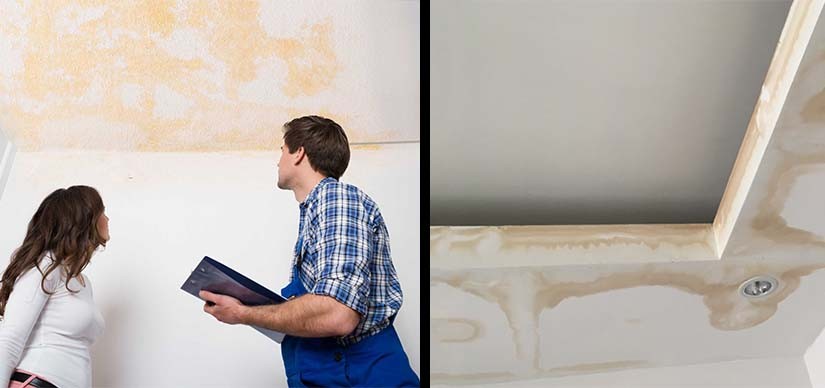
The first step in flood repair is to assess the extent of the damage to your property. This involves a thorough inspection of both the interior and exterior of your home. Not all flood damage is immediately visible, so looking beyond surface-level issues is important.
Document the Damage [Top Apps for Documenting Flood Damage]
Before beginning any repairs, take time to document the damage. Photos, videos, and detailed notes will be invaluable when filing insurance claims and planning repairs. Ensure you capture every corner, paying special attention to areas that may have absorbed moisture, such as walls, flooring, and furniture.
For more tips on documenting damage, visit the FEMA Flood Insurance Guide.
Safety First
Make sure the area is safe before entering. Check for structural damage, electrical hazards, and contaminated water. If necessary, turn off the electricity and gas supply to prevent accidents. If you notice any unusual odors, particularly a gas smell, vacate the premises immediately and contact the utility company.
For safety tips during flood recovery, the Ready.gov Flood Preparedness page provides excellent resources.
Check for Hidden Damage
When assessing flood damage, it’s crucial to consider hidden areas that might not show immediate signs of damage. Moisture can seep into wall cavities, under flooring, and into the foundation, leading to long-term structural issues and mold growth if not addressed promptly. Use moisture meters and other inspection tools to identify areas that may have been compromised by water. By thoroughly checking these hidden spots, you can prevent future complications and ensure a more comprehensive flood repair process.
Prioritize Immediate Repairs
After documenting the damage, it’s important to prioritize immediate repairs that can prevent further deterioration. Address any structural concerns, such as weakened walls or damaged foundations, as soon as possible. Quick action can mitigate additional damage and reduce repair costs in the long run. It’s also advisable to secure your property against further water intrusion by covering broken windows, repairing leaks, and reinforcing vulnerable areas.
2. Start the Cleanup Process: Proven Flood Repair Tips
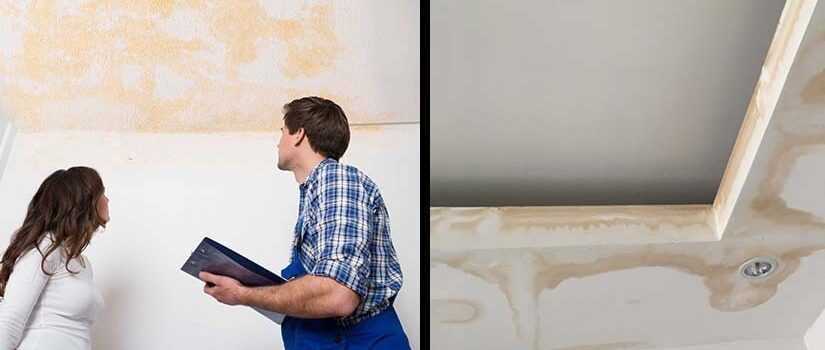
After assessing the damage, the next step in flood repair is to begin the cleanup process. Swift action can prevent further damage and reduce the risk of mold growth. This process requires patience and diligence to ensure all water and moisture are removed from the affected areas.
Remove Standing Water
Removing standing water is the first and most crucial step in the cleanup process. The longer water remains, the more damage it can cause, such as warping floors, soaking into walls, and promoting mold growth. Here are detailed steps to effectively remove standing water:
- Submersible Pumps: For larger volumes of water, submersible pumps are highly effective. These pumps can handle deep water and are essential for areas with significant flooding. Make sure the pump is rated for the depth and volume of water you’re dealing with.
- Wet/Dry Vacuums: Wet/dry vacuums are versatile tools that can handle smaller amounts of water. They’re particularly useful for removing water from carpets, upholstery, and hard-to-reach areas where pumps may not be effective.
- Buckets and Mops: For small, contained areas, buckets and mops can be used to manually remove water. While labor-intensive, this method is useful when electric tools aren’t available or when dealing with small spills.
- Professional Water Removal Services: If you’re dealing with extensive flooding or feel overwhelmed by the cleanup, it may be best to hire a professional water removal service. Professionals have the right equipment, such as industrial-grade pumps and vacuums, to handle large volumes of water quickly and efficiently.
For more guidance, check out EPA’s Guide to Flood Cleanup and Mold Prevention.
Dry Out the Affected Area
Once the standing water is removed, it’s crucial to dry out the area as quickly as possible to prevent mold, mildew, and further structural damage. Here’s how you can effectively dry out your home:
- Dehumidifiers: Place dehumidifiers throughout the affected areas to extract moisture from the air and materials. Commercial-grade dehumidifiers are ideal for large spaces, but household units can also be effective in smaller areas. Run the dehumidifiers continuously until humidity levels return to normal.
- High-Powered Fans: Use high-powered fans to circulate air and accelerate the drying process. Position fans near windows, doors, and other openings to facilitate airflow. Box fans, ceiling fans, and industrial blowers are all effective tools for this task.
- Heaters: In colder climates, heaters can help speed up drying by warming the air, which increases its capacity to hold moisture. However, be cautious not to overheat the area, as this could damage certain materials or increase the risk of fire.
- Proper Ventilation: Open windows and doors to allow fresh air to circulate through your home. Proper ventilation not only aids in drying but also helps dissipate any lingering odors from floodwaters. If the weather is humid or rainy, limit opening windows to avoid introducing more moisture into the environment.
- Moisture Meters: To ensure all moisture is effectively removed, consider using moisture meters. These devices measure the moisture content in materials like wood, drywall, and concrete. Use them to identify areas that may still harbor moisture, even if they appear dry on the surface.
- Move and Elevate Furniture: Move furniture and other items to a dry area and elevate them if possible to prevent further water damage. If furniture is too large to move, use blocks or other materials to lift it off the floor. This will allow air to circulate underneath and help dry the area.
- Monitor for Mold: As you dry out the area, keep an eye out for any signs of mold. Mold can start growing within 24-48 hours, especially in humid conditions. If you notice any mold growth, take immediate steps to address it, including using mold-killing products or hiring a professional remediation service.
By following these steps, you can effectively manage the cleanup process and reduce the risk of further damage to your home.

3. Repair Structural Damage: Key Flood Repair Tips
Floodwaters can cause significant structural damage to your home. Addressing these issues is critical to ensuring your home remains safe and habitable. Structural damage may not be immediately visible, so thorough inspections are necessary.
Inspect the Foundation
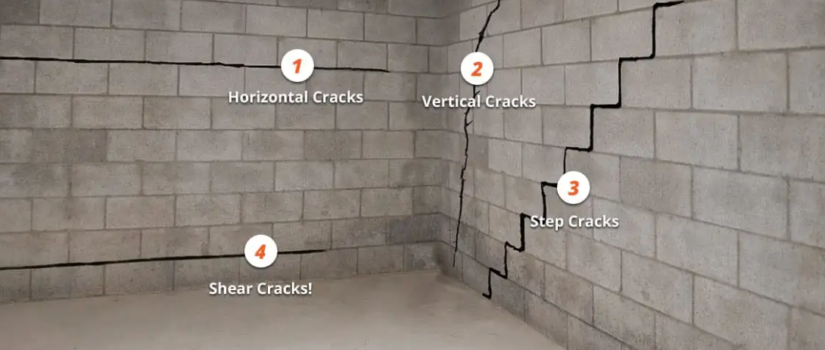
Check your home’s foundation for cracks, shifts, or other signs of damage. Foundation repairs should be handled by professionals to ensure stability. A compromised foundation can lead to long-term safety issues, so it’s important to address these concerns promptly. You might need to consult with a structural engineer to assess the extent of the damage.
For additional information on foundation repairs, refer to the National Flood Services Foundation Repair Guide.
Replace Damaged Materials
Any materials that have been soaked with water, such as drywall, insulation, or flooring, should be removed and replaced to prevent mold growth and further deterioration. Even if materials appear dry on the surface, they may still harbor moisture that can lead to mold development. Consider using water-resistant materials for replacements, which can offer better protection against future floods.
4. Prevent Mold Growth: Crucial Flood Repair Tips
Mold can start growing within 24-48 hours of water exposure, so it’s essential to take steps to prevent its spread. Mold remediation is not only crucial for your home’s integrity but also for your health, as mold can cause a variety of health issues, particularly respiratory problems.
Use Dehumidifiers and Fans
Place dehumidifiers and fans throughout the affected areas to reduce moisture levels and inhibit mold growth. Keep them running continuously until the area is completely dry. In some cases, industrial-grade dehumidifiers may be necessary to handle the amount of moisture in the environment. Additionally, consider using air purifiers with HEPA filters to remove mold spores from the air.
Clean and Disinfect All Surfaces
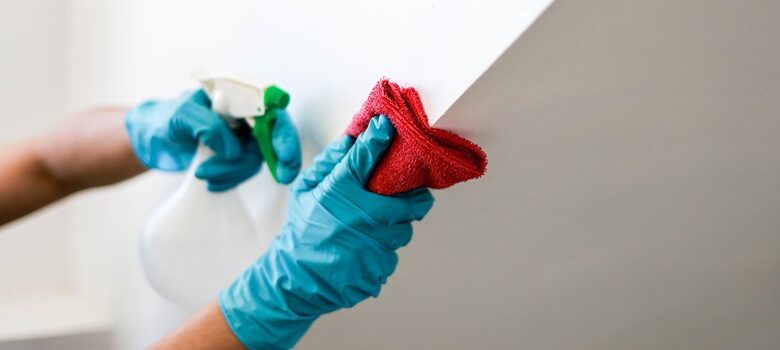
Clean and disinfect all surfaces exposed to floodwater. Use a mixture of water and bleach or a commercial disinfectant to kill mold spores and bacteria. Pay particular attention to areas that are fully submerged, as these are the most likely to harbor mold. Don’t forget hidden areas like behind baseboards, under flooring, and within wall cavities.
5. Know When to Hire Professionals for Flood Repair
While some flood repair tasks can be handled by homeowners, certain situations require professional expertise. Understanding when to call in professionals can save you time, money, and potential headaches in the future.
For Major Structural Issues
If your home has suffered significant structural damage, such as foundation cracks or severe water damage, it’s crucial to hire a professional contractor to assess and repair the damage. Here’s why:
- Expert Assessment:
- Professionals can accurately diagnose the extent of structural damage.
- They have the experience to identify hidden issues that might not be apparent to untrained eyes.
- Proper Repair Techniques:
- Professional contractors use specialized tools and techniques to repair and reinforce your home’s structure.
- They ensure that repairs are done to code, maintaining the safety and integrity of your home.
- Long-Term Stability:
- Proper repairs prevent future issues, such as additional settling or further structural damage.
- Hiring professionals for structural repairs can also help maintain the value of your property.
Signs You Need Professional Structural Repair:
- Cracks in the foundation or walls that continue to widen.
- Doors and windows that no longer close properly due to shifting frames.
- Sagging ceilings or floors.
For Extensive Mold Remediation
Mold can begin to grow within 24-48 hours after water exposure, and once it takes hold, it can spread quickly. While small areas of mold can sometimes be handled by homeowners, extensive mold requires professional remediation:
- Thorough Mold Removal:
- Professionals can safely remove mold from large or hard-to-reach areas.
- They use specialized equipment to ensure that all mold is eradicated, including spores in the air.
- Health Safety:
- Mold can pose serious health risks, including respiratory issues and allergic reactions.
- Professionals have the right protective gear and knowledge to prevent exposure during the remediation process.
- Preventing Recurrence:
- Professionals can identify and address the source of moisture that led to the mold growth.
- They may use antimicrobial treatments to prevent future mold outbreaks.
When to Call a Mold Remediation Specialist:
- Mold covers an area larger than 10 square feet.
- Mold is growing in your HVAC system or inside walls.
- Household members have health conditions that could be exacerbated by mold exposure.

Top Apps for Documenting Flood Damage
To help you document damages and create inventory lists of damaged items effectively, here are some top apps that can make the process easier:
- Sortly: A highly-rated inventory management app that allows you to document and categorize damaged items with photos and detailed descriptions.
- Encircle: Designed specifically for home inventory and claims management, this app helps you document damages, create inventory lists, and generate reports for insurance claims.
- HomeZada: This app offers comprehensive home management, including inventory tracking, maintenance scheduling, and project management, making it ideal for flood damage documentation.
- Allstate Digital Locker: A user-friendly app from Allstate that lets you create an inventory of your belongings with photos, descriptions, and receipts, simplifying the insurance claim process.
- MagicPlan: This app helps you create floor plans and document damages with photos and notes, making it easier to assess the extent of flood damage.
6. Conclusion
Flood repair can be a daunting task, but by following these top 5 tips, you can restore your home quickly and effectively. Remember to assess the damage thoroughly, start cleanup as soon as possible, repair structural issues, prevent mold growth, and know when to call in the professionals. Taking these steps will not only help you get back to normal but also protect your home from future flood-related issues.